By Around Town Real Estate
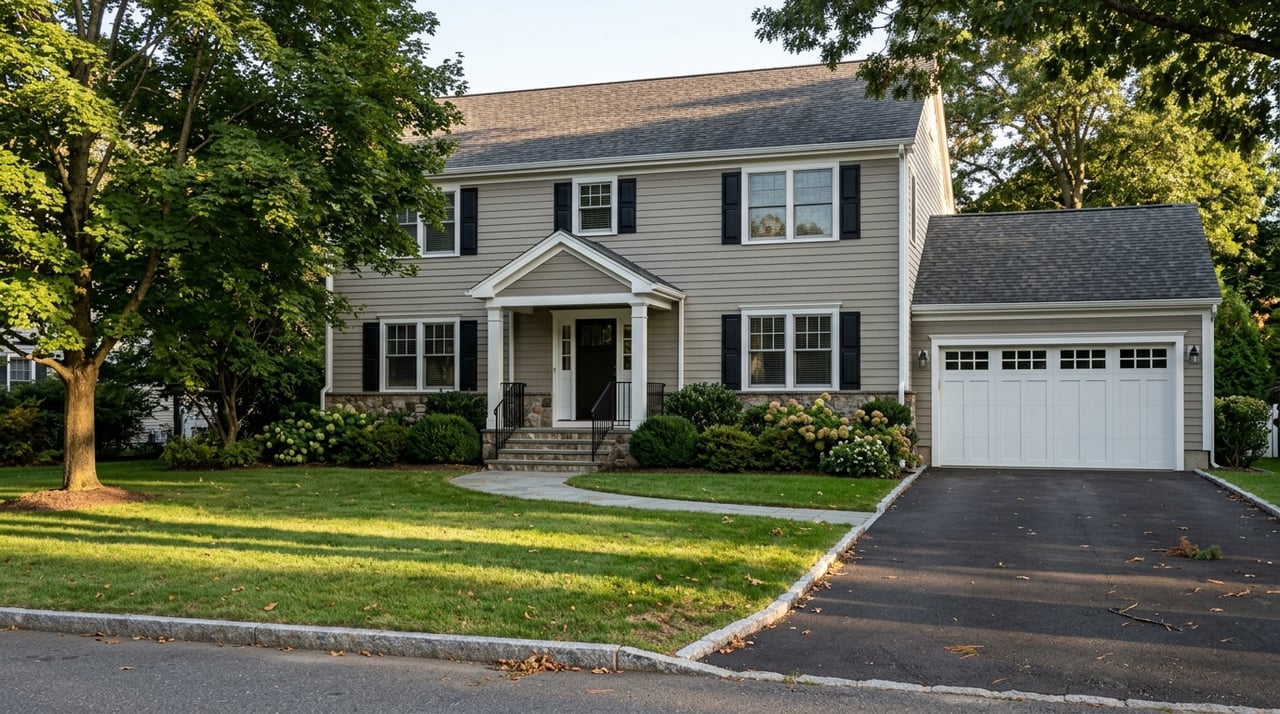
Southbury's luxury market — from the estate homes in the Willow Creek Estates gated community to the custom colonials scattered across the town's rolling hills — attracts buyers with a genuine appreciation for how a home is finished and equipped. A well-designed wine cellar is one of the features that distinguishes a luxury property here, and it's one that adds both lifestyle value and market appeal when done thoughtfully. Here's how to approach it.
Key Takeaways
- Location and climate control are the two most important decisions in any wine cellar project — everything else follows from getting those right.
- Southbury's older custom homes often have basement spaces that are ideal candidates for wine cellar conversion with modest structural work.
- A well-executed wine cellar is a genuine selling asset in Southbury's luxury market — buyers recognize and respond to it.
- Design and capacity should be planned generously — underbuilding is the most common wine cellar regret.
Choose the Right Location
The first decision in any wine cellar project is where it lives, and in Southbury's luxury homes — which often feature full, partially finished basements with existing mechanical spaces — there are usually good candidates already in the structure. The ideal location is below grade, away from exterior walls with significant sun exposure, and removed from heat-generating mechanical equipment like furnaces and water heaters.
A north-facing or interior basement corner is typically the best starting point. If the home has a crawl space adjacent to the basement, that transition zone often provides excellent thermal buffering. For homes without a suitable basement, a converted interior closet on the main floor can work for smaller collections — though the climate control requirements become more demanding without the thermal mass that below-grade spaces naturally provide.
Wine Cellar Location Considerations for Southbury Homes
- Below-grade basement spaces — best natural thermal stability; ideal starting point
- Away from HVAC equipment, water heaters, and laundry — heat and vibration damage wine over time
- North-facing or interior walls — minimize solar heat gain through adjacent exterior surfaces
- Proximity to the kitchen or dining room — convenience matters for actual daily use
- Away from high-traffic areas — vibration from foot traffic can disturb sediment in aged bottles
Climate Control: The Non-Negotiable Investment
Wine requires consistent temperature between 55 and 65 degrees Fahrenheit and humidity between 60 and 70 percent — conditions that Connecticut's variable climate makes impossible to maintain passively, even in a well-insulated basement. A dedicated wine cellar cooling unit is not optional; it's the core investment that makes a functional cellar possible.
Through-wall cooling units — similar in concept to a wall air conditioner but engineered specifically for wine storage — work well for small to medium cellars. Ducted split-system units are quieter and better suited to larger cellars or those where the mechanical equipment needs to be located separately from the cellar itself. In Southbury homes where the cellar is adjacent to finished living space, the split-system approach also avoids the noise that through-wall units introduce.
Climate Control Options for Southbury Wine Cellars
- Through-wall cooling units — cost-effective for cellars under 1,000 bottles; simpler installation
- Ducted split-system units — quieter; better for larger cellars; more placement flexibility
- Self-contained cooling cabinets — for very small collections or transitional setups
- Humidity control — standalone humidifier or units with built-in humidity management; critical in Connecticut's dry winters
- Temperature monitoring — smart sensors that alert you to fluctuations; worth adding to any setup
Insulation, Vapor Barrier, and Construction
Before any wine storage goes in, the cellar space needs proper insulation and a vapor barrier to maintain the climate conditions the cooling system creates. In Connecticut's climate — cold, dry winters and humid summers — failing to address the building envelope properly means the cooling system works harder than it should and struggles to maintain stable humidity.
Closed-cell spray foam insulation on walls and ceiling, combined with a vapor barrier on the warm side of the insulation, is the standard approach for wine cellar construction in the Northeast. Cork flooring or stone tile on the floor adds thermal mass and an appropriate aesthetic. All wood used inside the cellar — racking, trim, and framing — should be clear of any treated lumber that could off-gas chemicals affecting the wine.
Construction Essentials for a Southbury Wine Cellar
- Closed-cell spray foam insulation — walls and ceiling; provides both thermal and moisture control
- Vapor barrier on the warm side of insulation — prevents condensation within the wall assembly
- Solid core door with proper weatherstripping — prevents warm air infiltration
- Cork, stone tile, or sealed concrete flooring — thermal mass and durability
- Redwood, mahogany, or pine racking — avoid pressure-treated lumber inside the cellar space
Design and Capacity Planning
Design and capacity are where a wine cellar becomes an expression of how you actually use it. A cellar designed purely for storage — maximum bottle count in minimum space — serves a different purpose than one designed as a tasting room where bottles are displayed, guests are entertained, and the collection is as much a visual feature as a functional one.
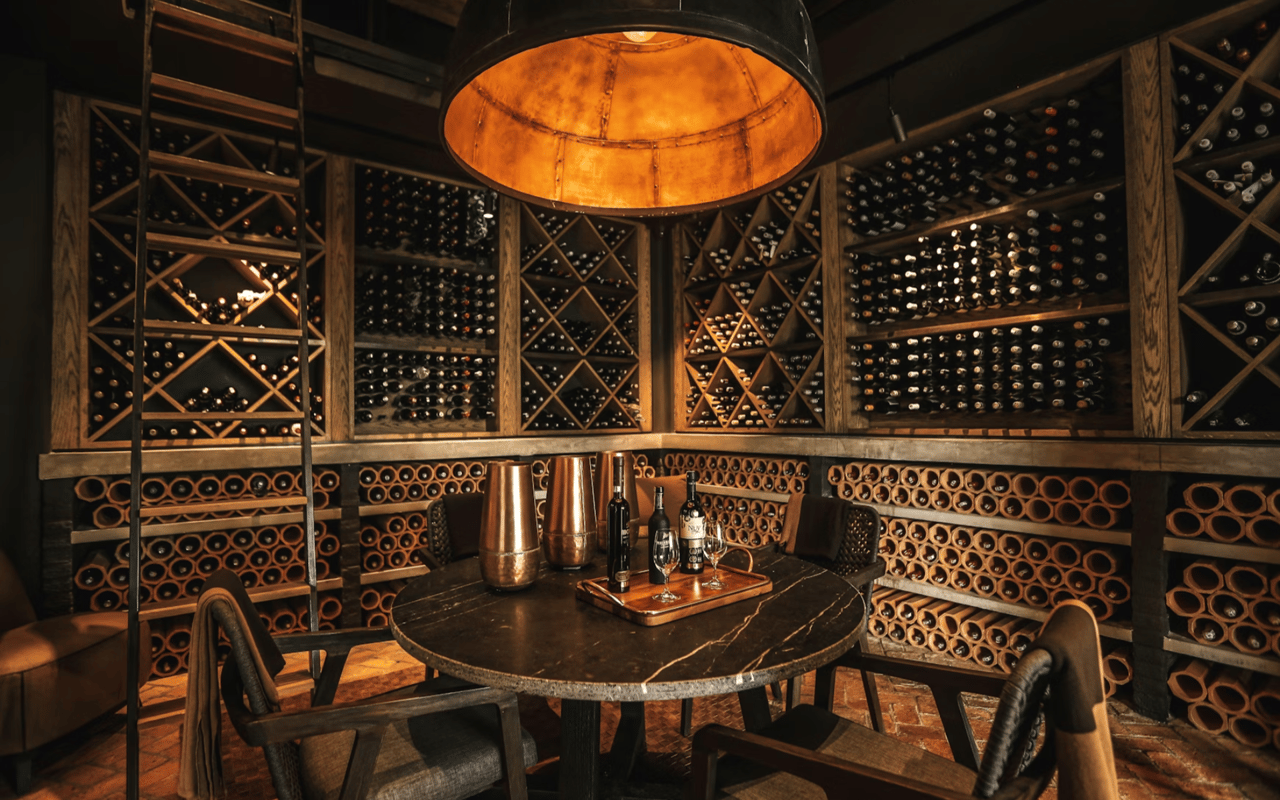
In Southbury's luxury homes, the cellar as a design feature — with custom racking in reclaimed wood, a tasting table, proper lighting, and a display wall for featured bottles — photographs exceptionally well and registers immediately with buyers who appreciate the lifestyle it represents. Plan for more capacity than you currently think you need; collections tend to grow faster than anticipated.
Frequently Asked Questions
Does a wine cellar add value to a Southbury luxury home?
A well-executed wine cellar adds genuine market appeal in the Southbury luxury segment — buyers who value this feature respond to it immediately and will pay accordingly. A poorly executed or incomplete cellar can work against you. Quality of execution matters more than size.
What's a realistic budget for a wine cellar project in a Southbury home?
A functional, well-finished cellar for 500 to 1,000 bottles with proper climate control typically runs $15,000–$35,000 depending on space preparation, equipment quality, and design finish level. Larger cellars with premium racking and tasting room elements can run significantly more. We can connect sellers and buyers with contractors experienced in this type of project throughout the Southbury area.
Should we build a wine cellar before listing our Southbury luxury home?
It depends on the current market position of your home and its buyer profile. For luxury listings where buyers expect high-end amenities, a wine cellar can differentiate a property meaningfully. We assess this as part of our pre-listing strategy conversation with every seller.
Reach Out to Around Town Real Estate Today
Luxury homes in Southbury are defined by the details — and a wine cellar done well is one of the details that matters. Whether you're preparing to sell, buying your next home, or making upgrades to your current property, we bring the local expertise to help you make decisions that protect and enhance your investment.
Reach out to us at Around Town Real Estate and let's talk about your Southbury property.