15,576 people live in Newtown, where the median age is 44.1 and the average individual income is $70,018. Data provided by the U.S. Census Bureau.
Total Population
Median Age
Population Density Population Density This is the number of people per square mile in a neighborhood.
Average individual Income
Newtown, Connecticut occupies a particular kind of place in Fairfield County's hierarchy — large enough to offer genuine community infrastructure, rural enough to feel like a departure from the suburban grind. At roughly 60 square miles, it is one of the physically largest towns in the county, and that scale shapes everything about daily life here: the lot sizes, the privacy, the pace.
The town draws a specific type of buyer. Families anchor the market, drawn primarily by the public school system, but Newtown also attracts remote and hybrid workers who want space and greenery without sacrificing proximity to the Danbury employment corridor or occasional train access toward New York. Equestrian households and those seeking true estate-scale acreage look here specifically because few Fairfield County towns can still deliver five-plus acres at a reasonable cost. And longtime Connecticut residents often land in Newtown when they want to stay in the region but step back from the density of Westport or Ridgefield.
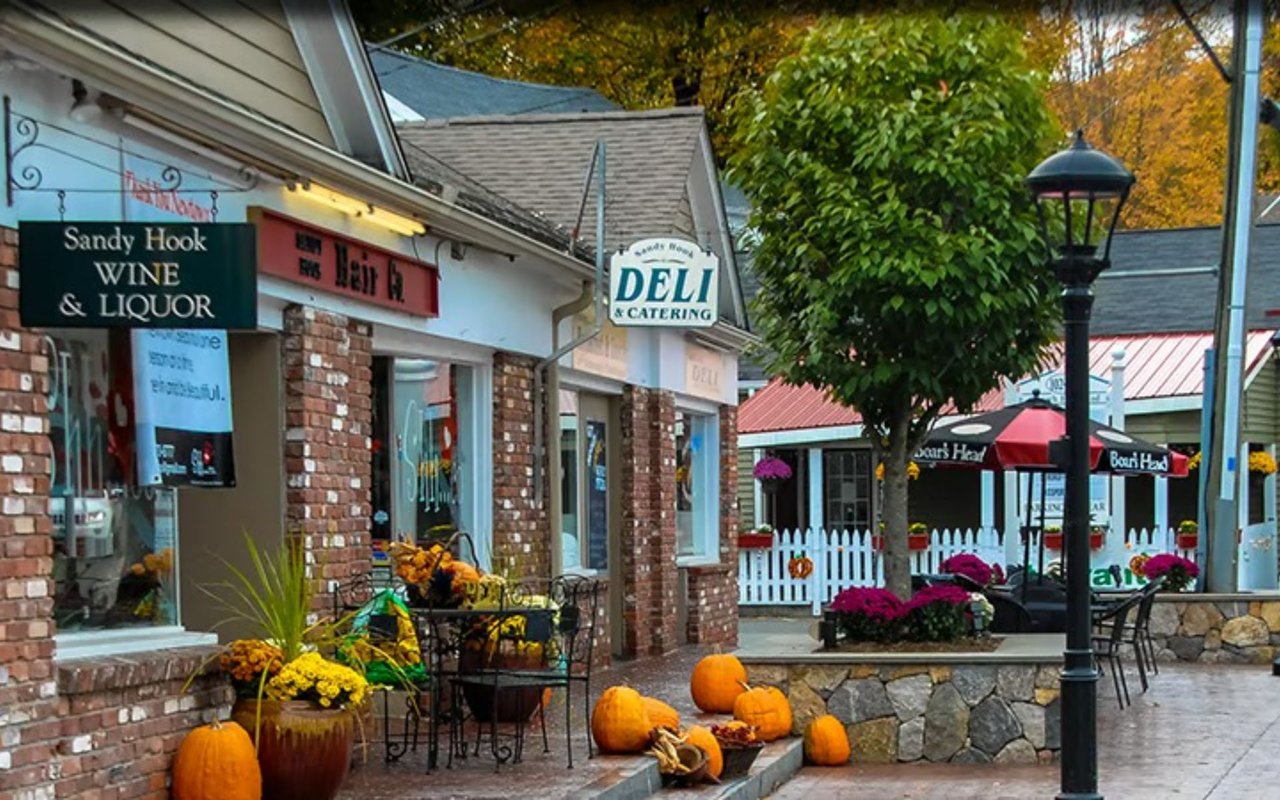
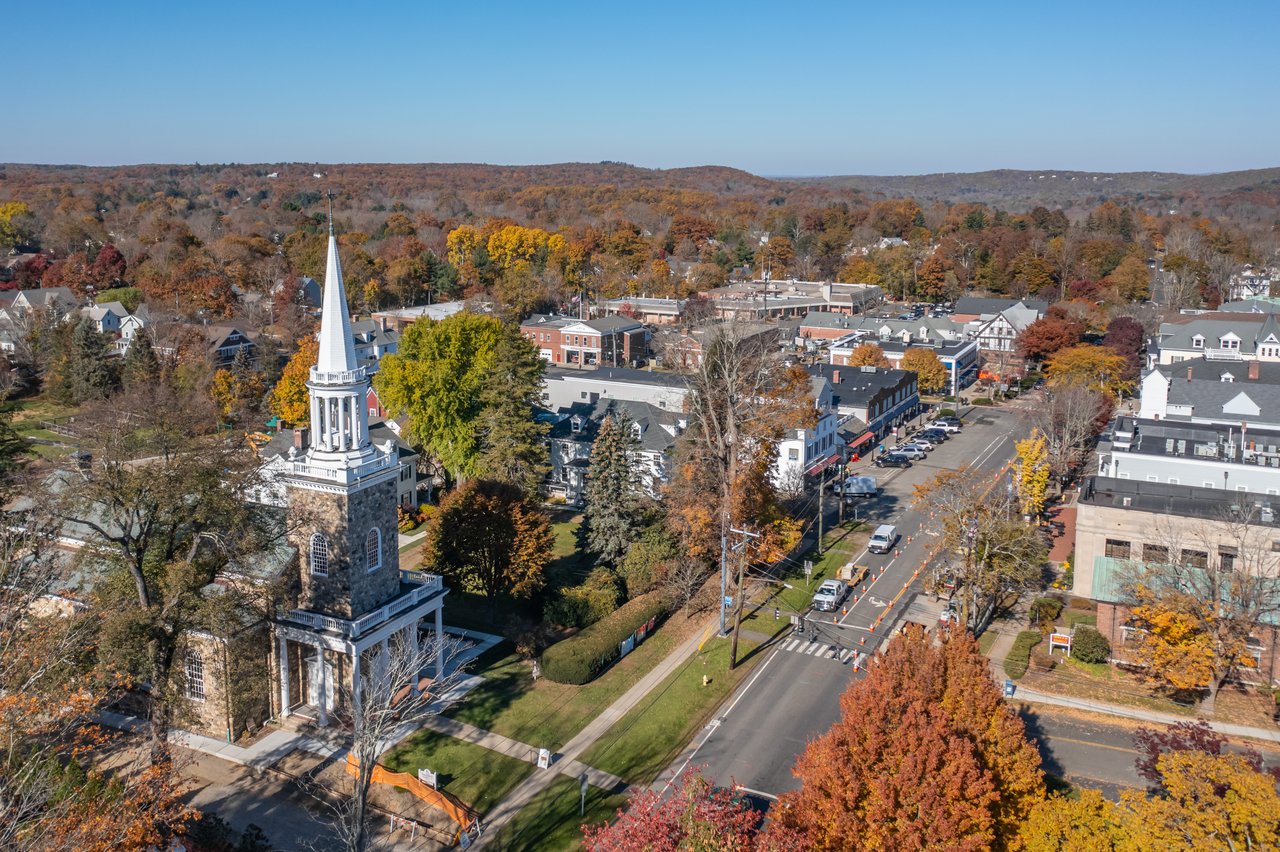
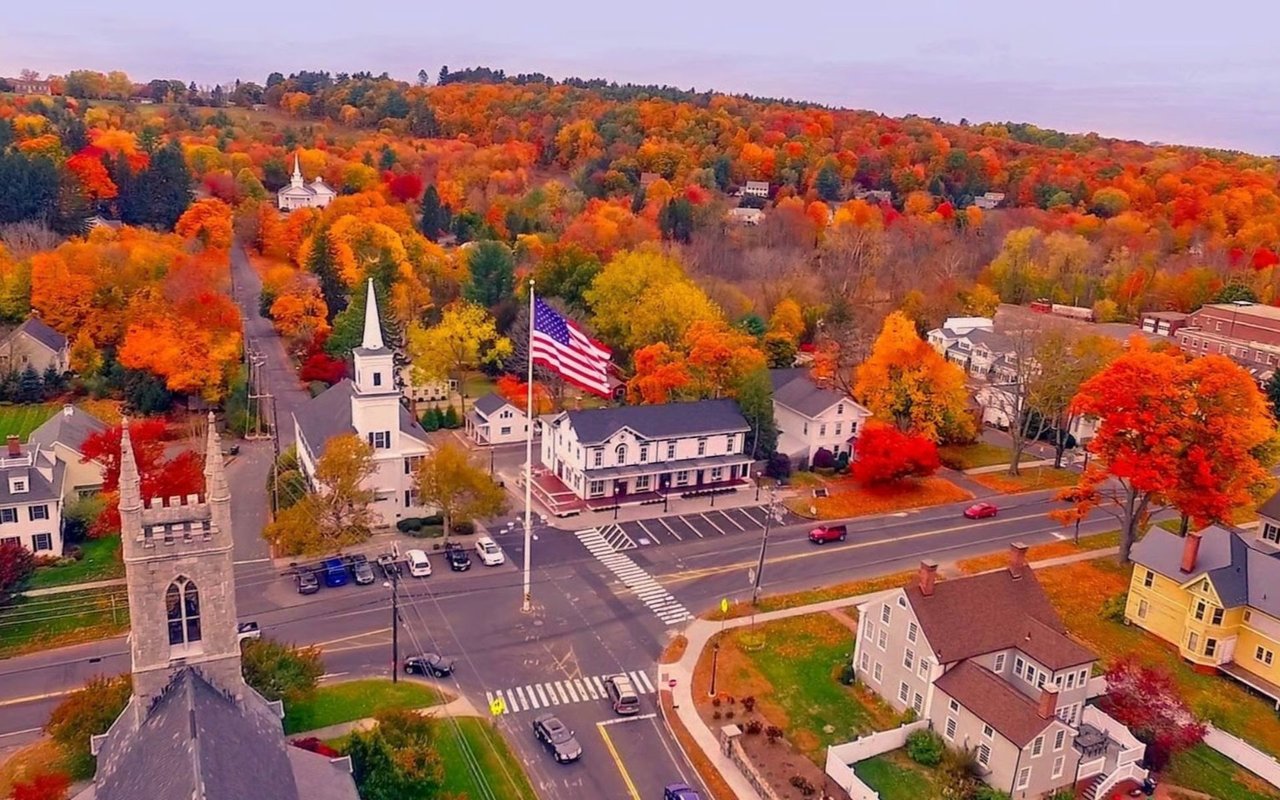
Sandy Hook, the village within Newtown that sits along the Pootatuck River, has developed its own identity over the past decade — slightly younger in feel, with an emerging dining and social scene that gives it a distinct energy from the more traditional Borough center near the flagpole. Understanding which part of Newtown fits your life is part of making the right buy.
As of early 2026, Newtown is firmly a seller's market, though the intensity that defined 2022 and 2023 has settled into something more sustainable. Demand remains consistent and inventory remains tight, which is the combination that keeps upward pressure on prices even when the broader national market fluctuates.
Homes are spending an average of 53 to 60 days on the market, though that figure understates how quickly the right properties move. Turn-key homes in good school zones routinely go pending in under two weeks, sometimes within days of listing. Well-priced properties are regularly receiving multiple offers, and the average sale-to-list price ratio is running between 100.4% and 109% — meaning sellers are frequently achieving their full asking price or exceeding it.
The median sale price in Newtown currently sits in the range of $650,000 to $755,000. Entry-level inventory, typically smaller Capes or older ranch-style homes concentrated in Sandy Hook, can occasionally be found in the $450,000 to $550,000 range. At the upper end, larger colonials, modern farmhouses, and equestrian estates list regularly between $900,000 and $1.5 million, with true estate properties pushing well beyond that.
Months of supply remains around 2.8, well below the 4- to 6-month threshold that would indicate a balanced market. Until that number shifts meaningfully, sellers hold the leverage.
The most important dynamic currently shaping the Newtown market is the lock-in effect. Homeowners who secured mortgage rates in the 2% to 3% range during the pandemic years are understandably reluctant to trade those rates for today's 6%-plus environment. The result is chronically low inventory, which keeps prices elevated even as transaction volume has moderated from its peak.
Year-over-year price appreciation in early 2026 has been significant, with some data suggesting gains of up to 18% in certain segments. That figure reflects the compounding effect of scarce supply more than any sudden surge in demand. The forecast for the remainder of 2026 points to continued appreciation in the 2% to 4% range, driven partly by buyers who have been waiting for rate relief and are likely to re-enter the market as rates ease into the low 6% range.
One trend worth noting for buyers: the premium for move-in ready homes has grown considerably. With renovation costs remaining elevated, buyers are paying meaningfully more for properties that require no immediate work. Homes needing even moderate cosmetic updates are staying on the market longer and generating more negotiation than they did two years ago. In practical terms, this means the delta between a turn-key home and a project home is wider now than at any recent point in the market cycle.
Within Newtown, Sandy Hook tends to trade at a modest discount to the broader town — median prices in the $615,000 range versus the Borough's premium, which commands higher values due to its historic character and walkable center.
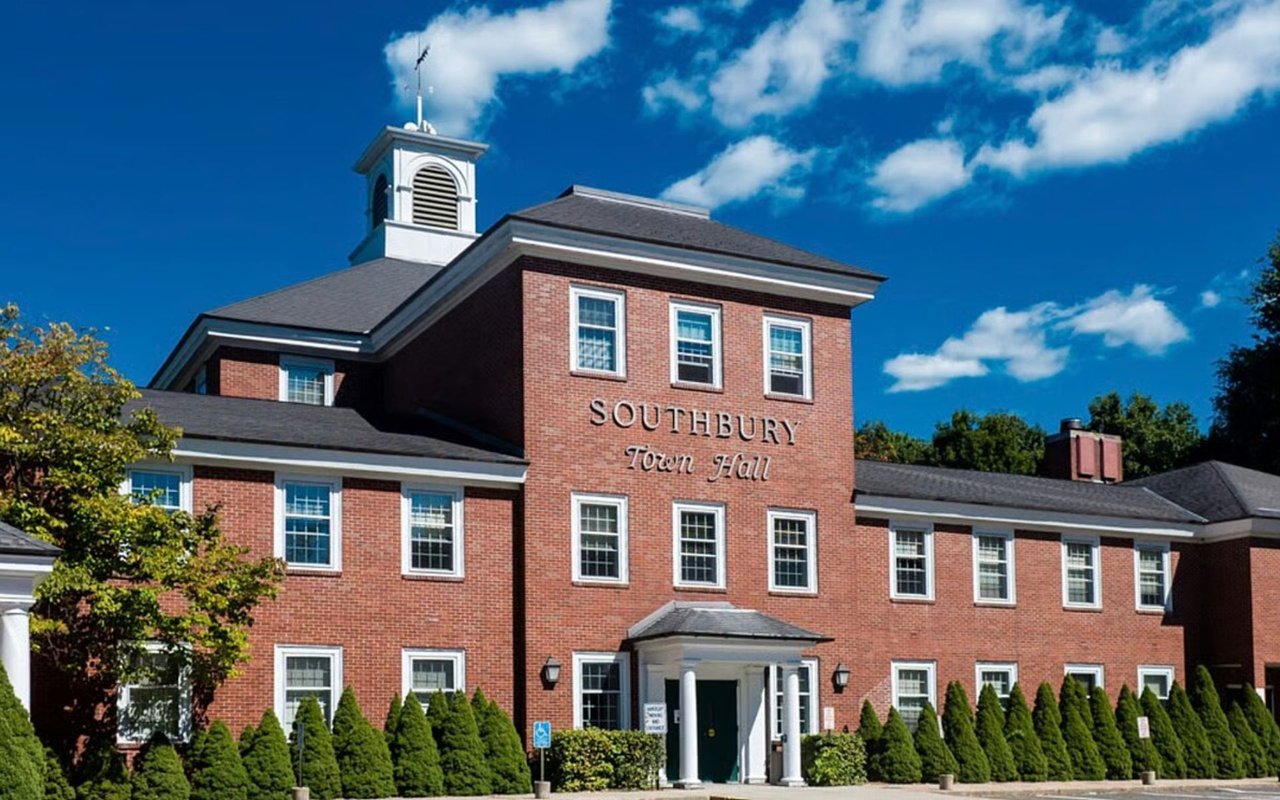
Buyers frequently compare Newtown to Bethel, Southbury, and Monroe before committing. Each town serves a meaningfully different buyer profile, and the right choice depends heavily on what you are optimizing for.
| Newtown | Bethel | Southbury | Monroe | |
|---|---|---|---|---|
| Typical Vibe | Rural-suburban, equestrian | Walkable downtown, artsy | Quaint, retirement-friendly | Classic suburban, family-focused |
| Median Price | $755,000–$782,500 | $500,000–$550,000 | $550,000–$625,000 | $600,000–$675,000 |
| Typical Lot Size | 1.5–3+ acres | 0.25–1 acre | 1–2 acres | 1–2 acres |
| Rail Access | Drive to Bethel/Danbury | In-town station | Drive to Bethel/Danbury | Drive to Trumbull/Bridgeport |
| Primary Appeal | Top schools, acreage, prestige | Walkability, lower entry cost | Lower property taxes | Privacy, strong schools |
Newtown wins on land, school reputation, and the sense of space that the other towns cannot fully replicate. Bethel is the better choice for buyers who want a walkable Main Street life and direct rail access without stretching their budget. Southbury draws buyers focused on tax efficiency — property taxes there run roughly 15% to 20% lower than Newtown's. Monroe sits closest to Newtown in overall character but tends to attract buyers who want suburban familiarity at a slightly lower price point.
The luxury segment in Newtown — broadly defined as properties above $1.2 million — operates on a different clock than the rest of the market. These homes are spending 90 to 120 days on the market on average, reflecting the fact that high-end buyers are more selective and that jumbo loan rates have remained stickier than conventional mortgage rates through 2026. Contingent offers, where buyers need to sell a current home before closing, are more common in this tier.
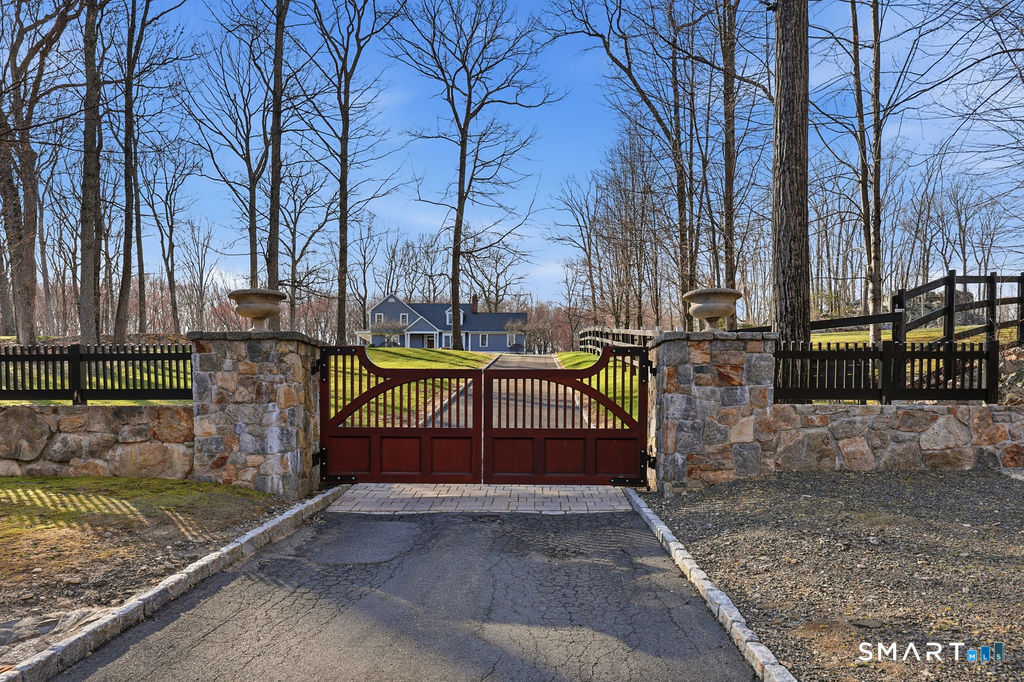
The most distinctive luxury product in Newtown is the equestrian estate. The area around Huntingtown Road includes some of the finest acreage in Fairfield County, with properties featuring 5-plus acres, barns, paddocks, and pastoral privacy that simply does not exist at comparable price points in southern Fairfield County towns. These estates frequently transact above $2 million.
New construction luxury in Newtown has shifted decisively toward what might be called wellness architecture: wellness suites with saunas and cold plunge facilities, professional outdoor kitchens, primary suites with private balconies, and integrated solar and battery storage systems. Custom modern farmhouses are increasingly replacing older builds on premium lots, blending high-performance building science with the agricultural aesthetic the landscape naturally calls for.
At the other end of the luxury spectrum, the historic homes in and around the Borough of Newtown represent irreplaceable inventory. Victorian and Federal-era properties near the flagpole rarely come to market, and when they do, they often transact off-market or through private referral networks, frequently above their appraised value. The architecture here — wide-plank floors, original millwork, multiple fireplaces — cannot be replicated, and informed buyers in this price range know it.
One practical note for buyers considering larger parcels: many of Newtown's properties above five acres qualify for an agricultural exemption, which can significantly reduce the effective tax burden for buyers willing to maintain even minimal farming or forestry activity on their land.
Purchasing in Newtown in 2026 demands preparation and speed. The market does not reward hesitation. Buyers who arrive pre-approved, understand their parameters, and are ready to move decisively when the right home appears are the ones who succeed here.
On well-priced properties, expect competition from three to five other offers. Winning bids in the current market tend to share a few characteristics. Inspection contingencies are frequently narrowed to structural, mechanical, and environmental concerns only, with buyers explicitly waiving the right to request repairs for cosmetic issues. Because prices in certain pockets have appreciated nearly 37% over recent years, appraisal gaps are a real and ongoing challenge. Buyers who include appraisal gap guarantees, committing to cover a specific dollar amount above appraised value in cash, give sellers the confidence that the deal will close even if the bank's valuation comes in low.
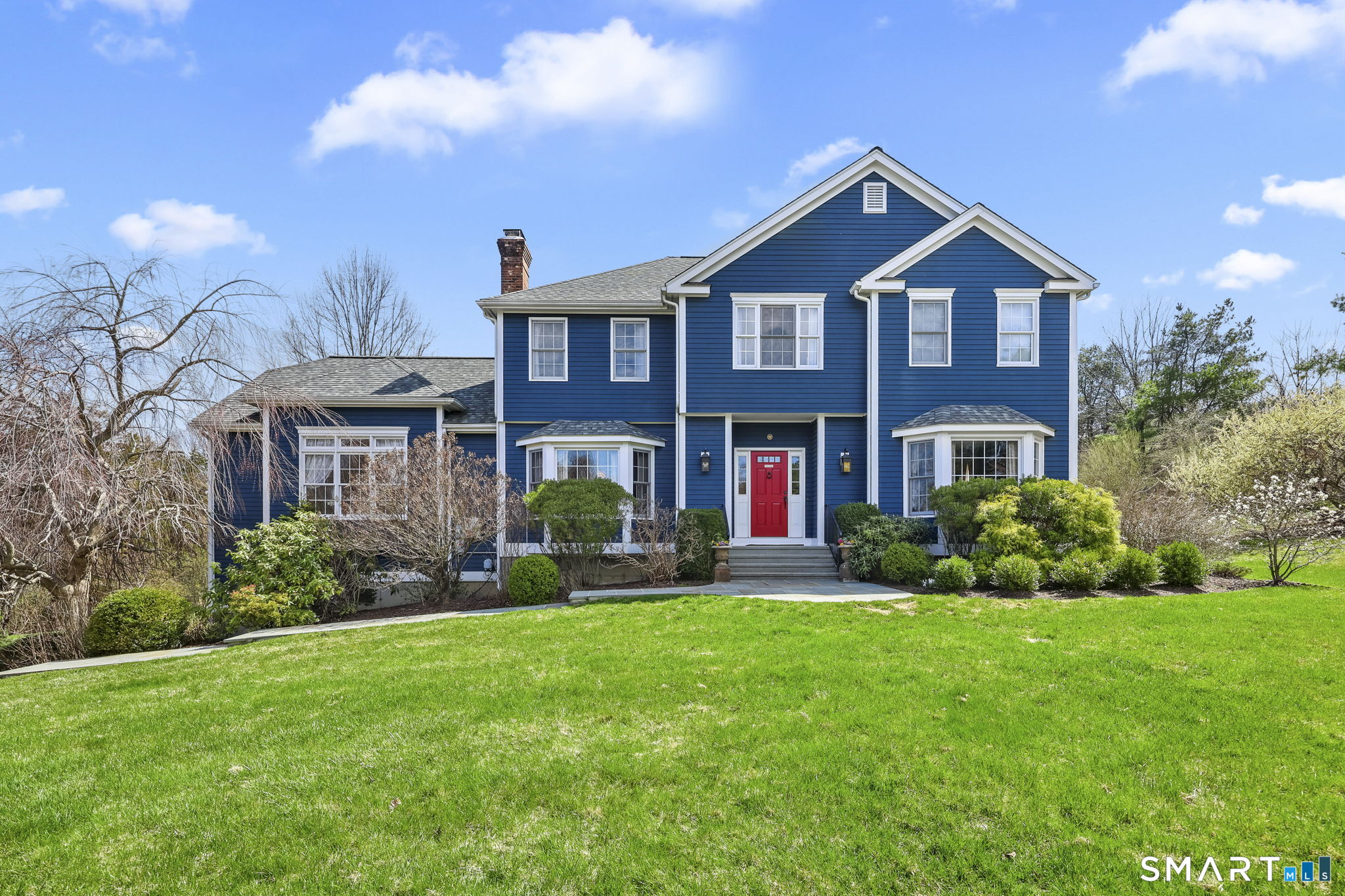
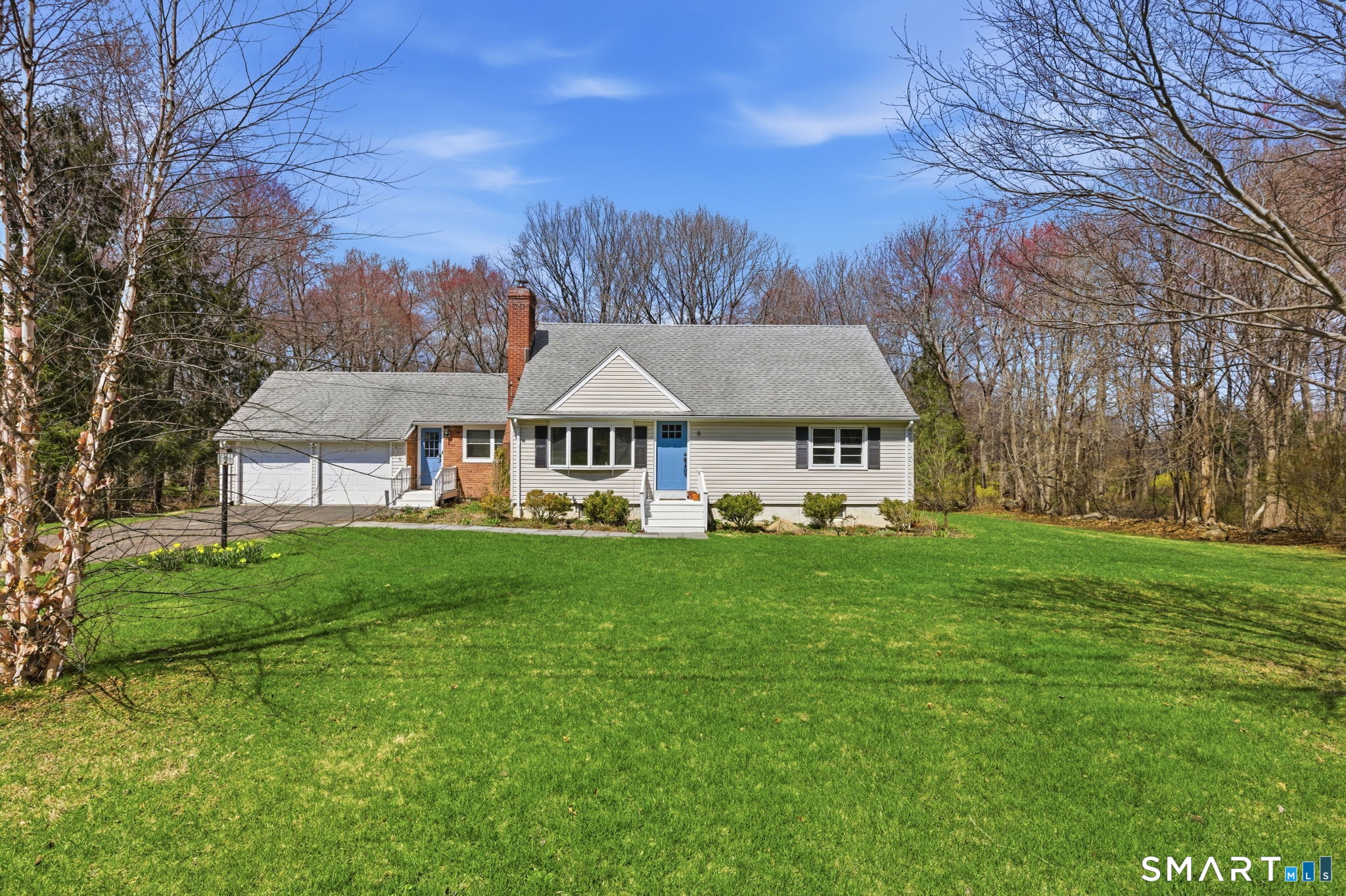
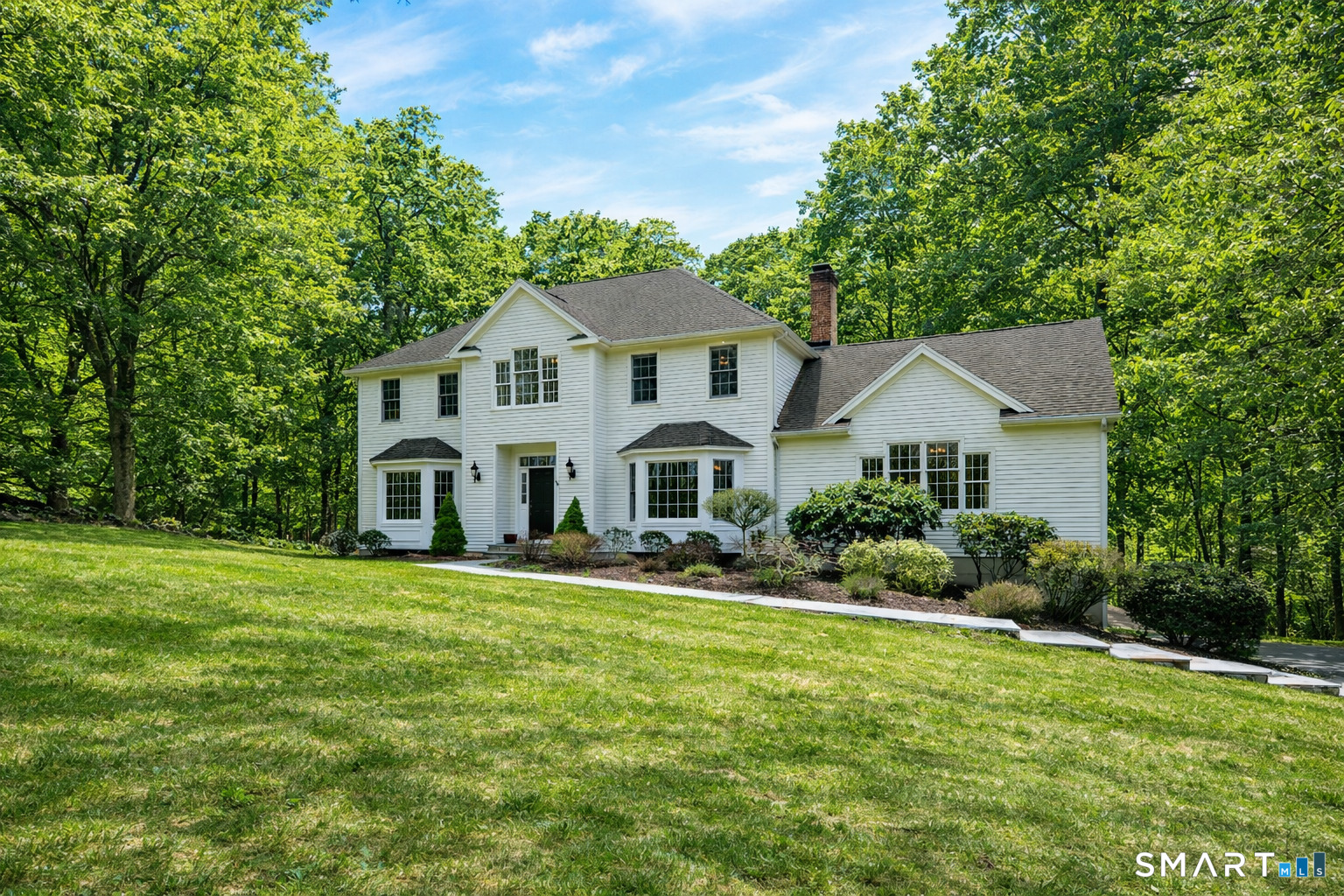
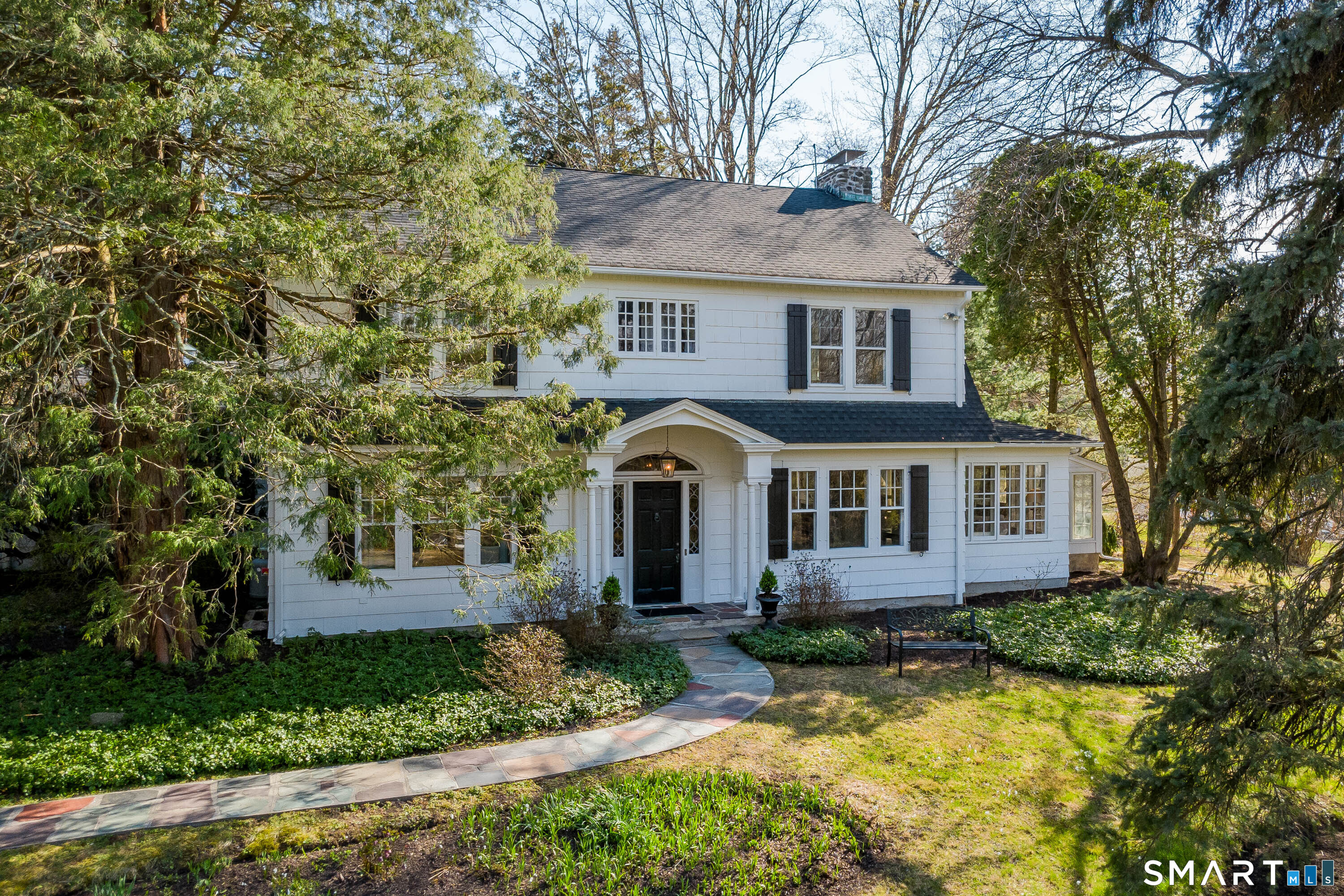
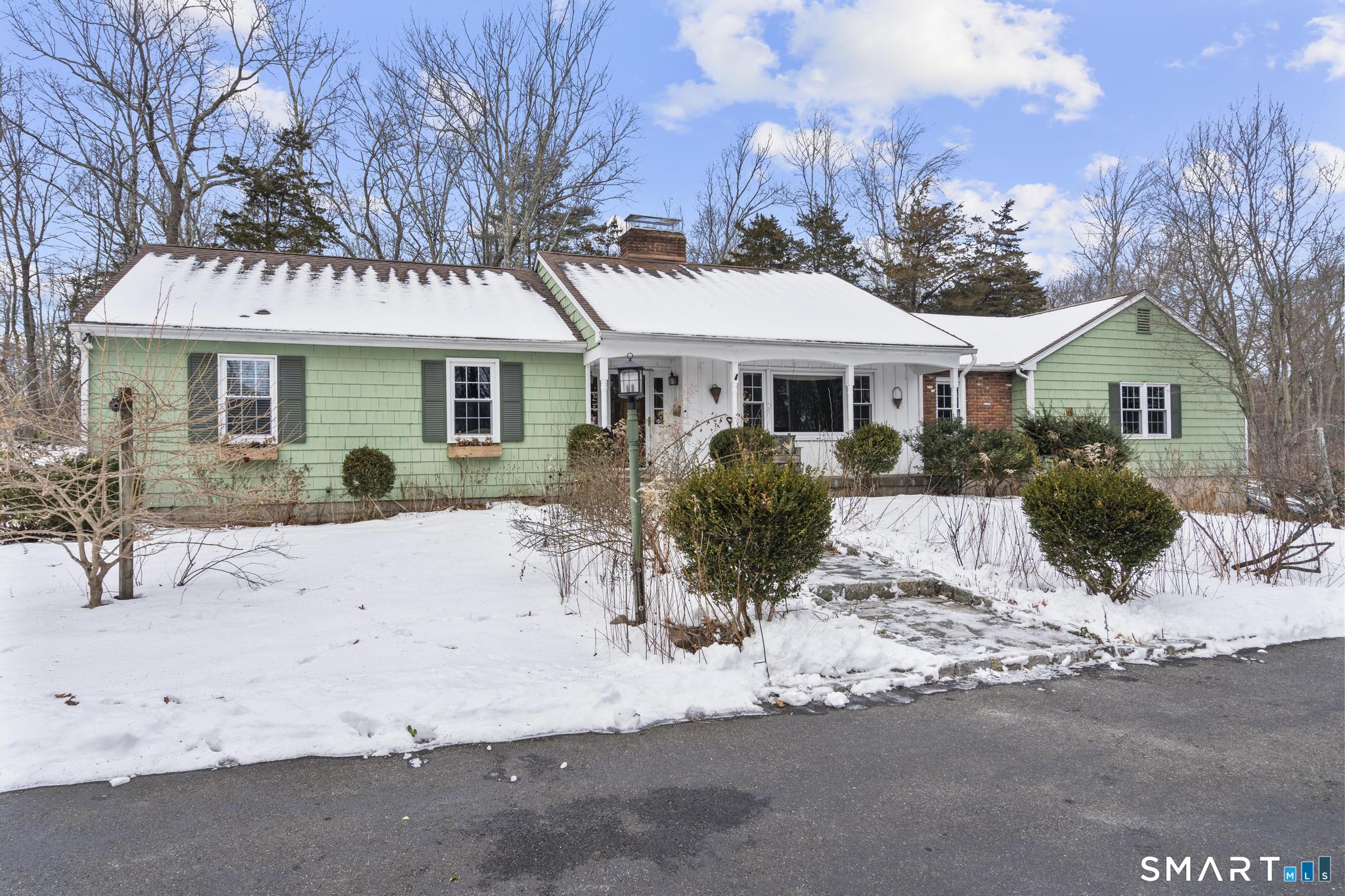
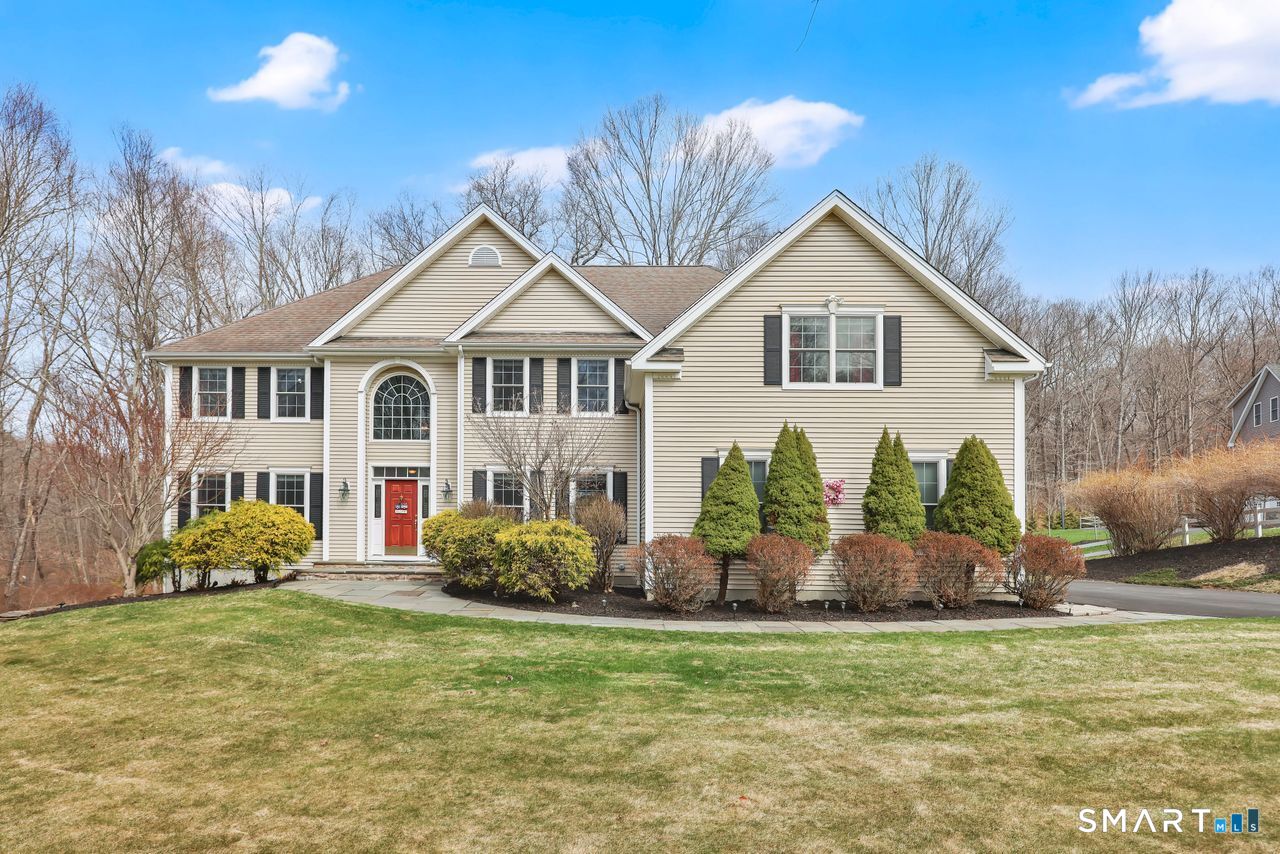
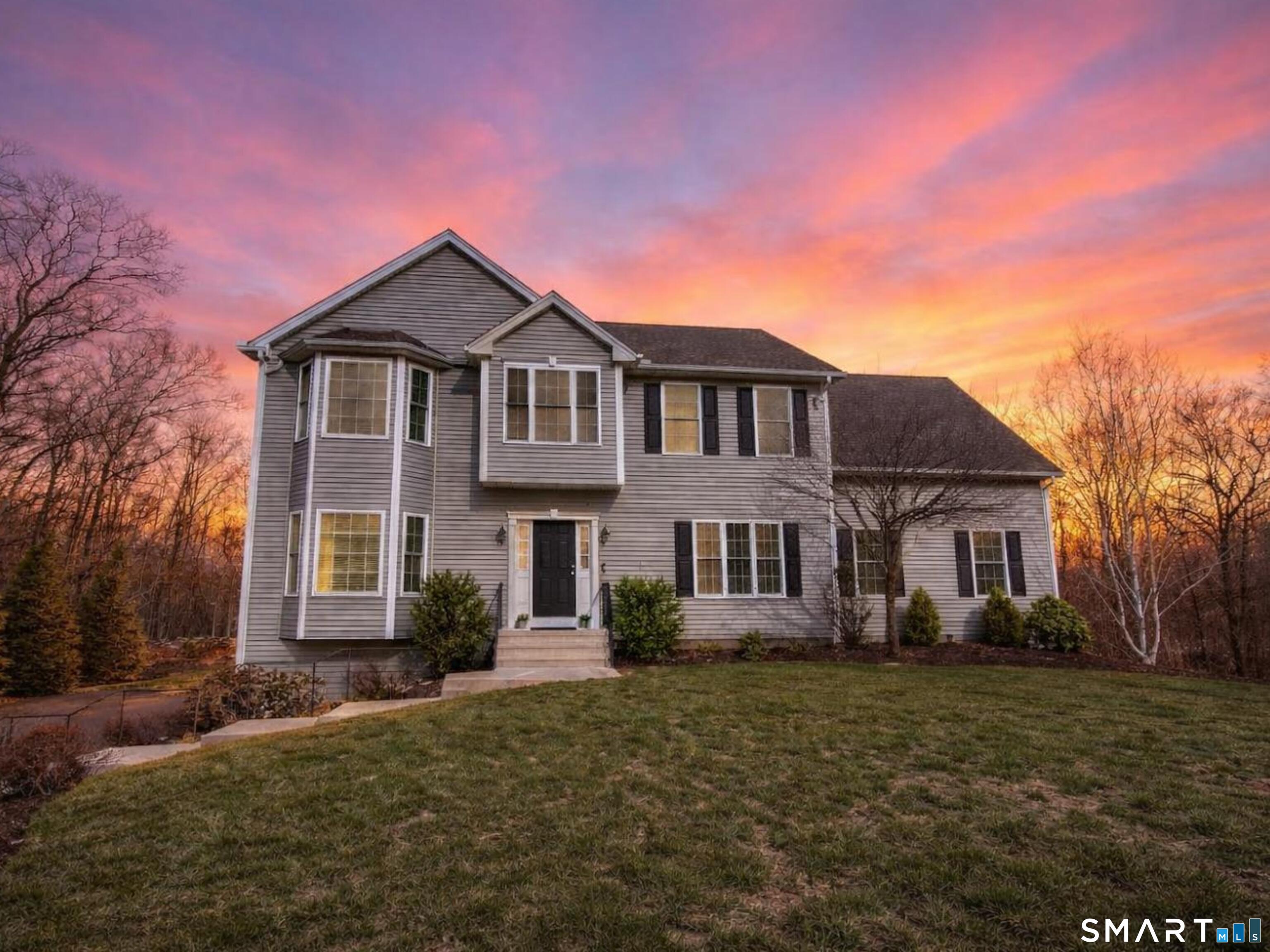
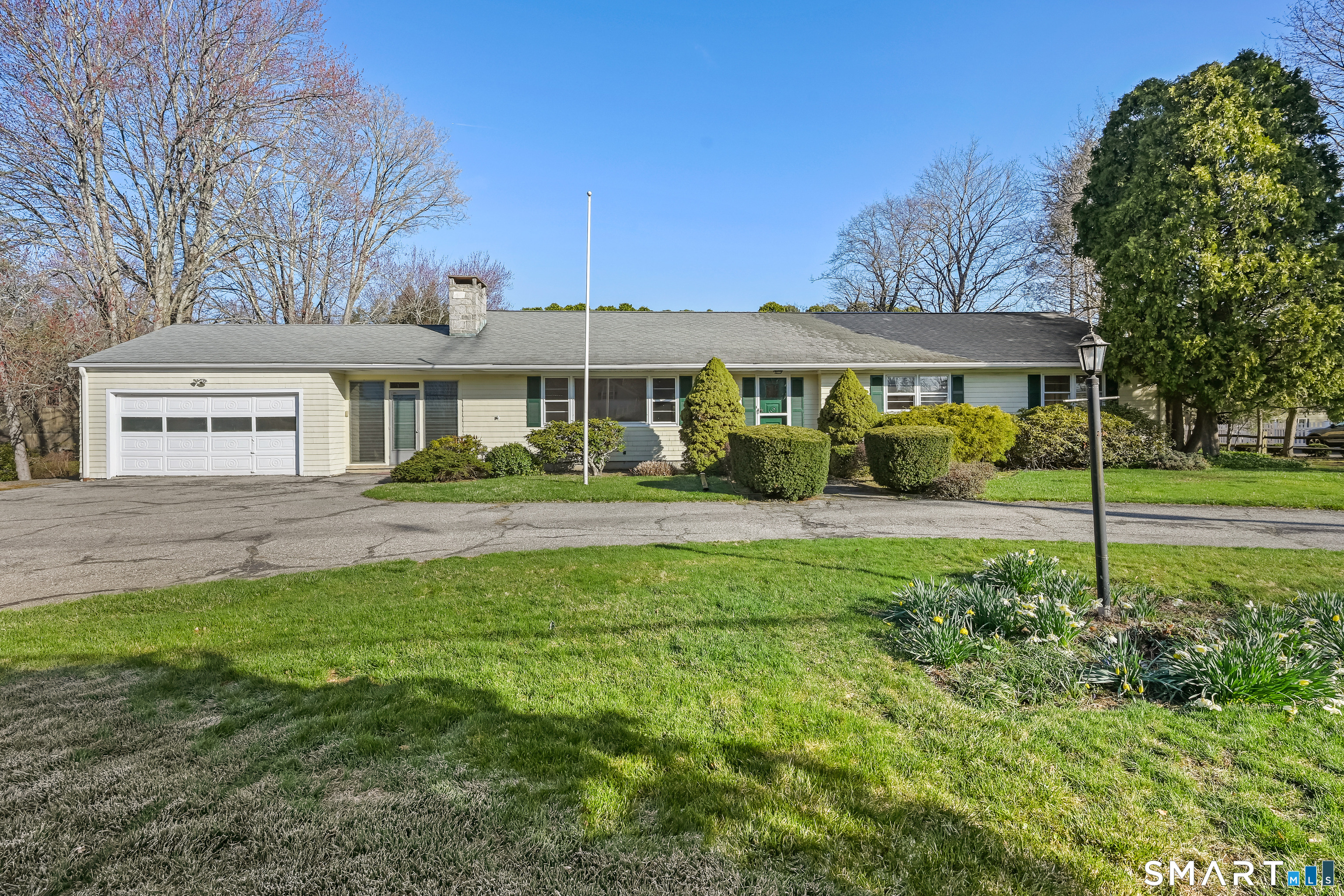
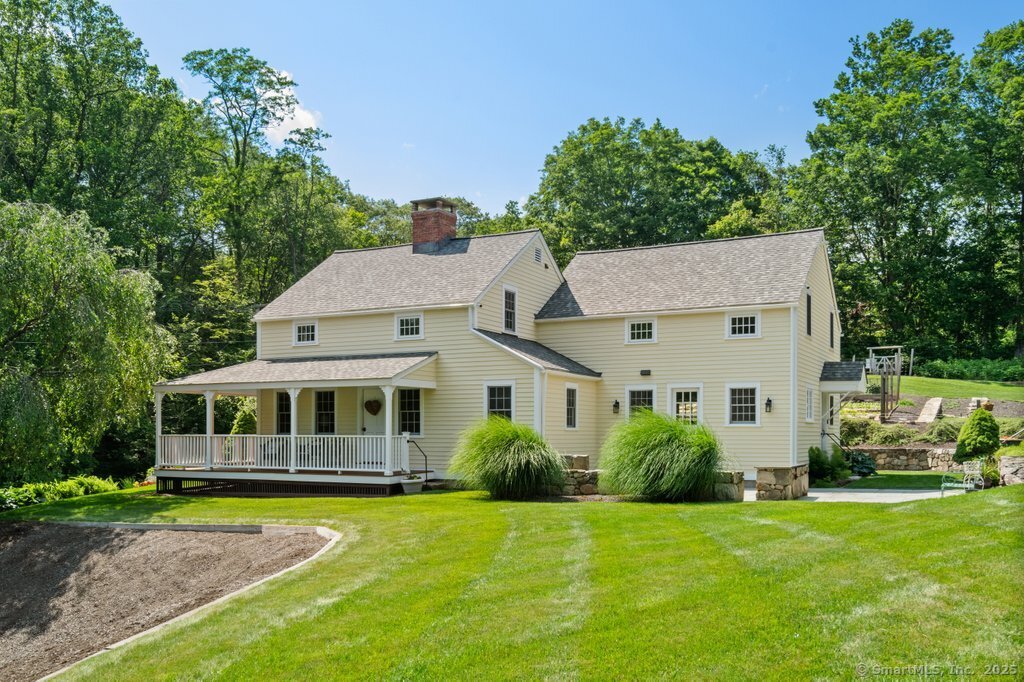
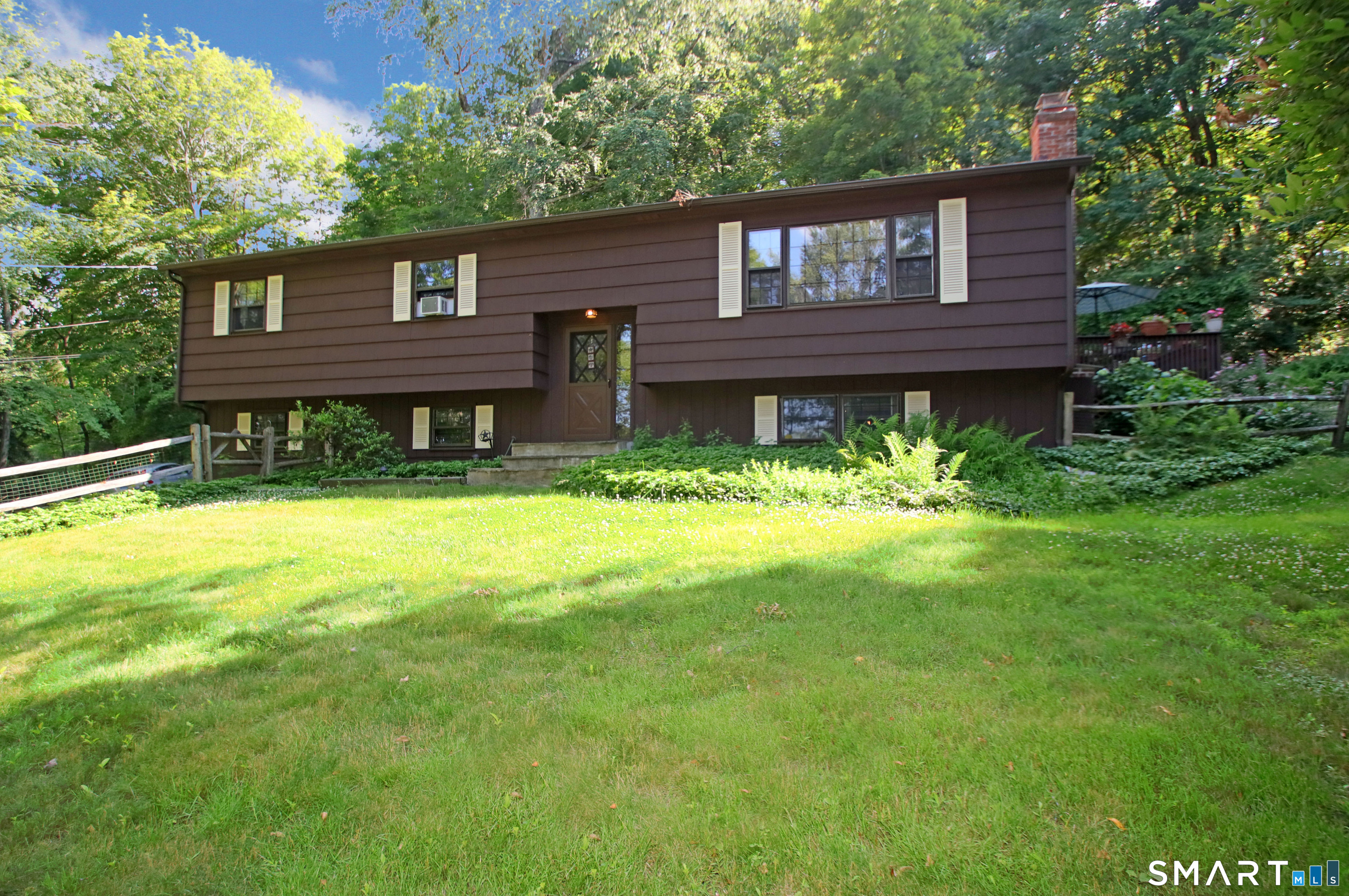
In terms of property types, the center-hall colonial is the dominant form in Newtown. Four bedrooms, two-and-a-half baths, a two-car garage, and a one- to two-acre wooded lot represents the market's bread and butter. Near the Borough, you will find antique homes with genuine architectural character. In Sandy Hook, ranches and Capes form the entry-level inventory and tend to attract first-time buyers and downsizers alike.
Sellers in 2026 hold clear leverage, but buyers have become more discerning as interest rates have raised the stakes of every monthly payment. Properties that are well-prepared and well-priced are still generating strong results. Properties that are overpriced or underloved are sitting.
The most consistently effective pricing strategy involves listing at approximately 3% to 5% below the most recent comparable sale. This approach creates the competitive tension that drives final sale prices to 109% of list or higher. Overpricing from day one tends to produce the opposite result: listings accumulate days on market, buyers begin to wonder what is wrong, and price reductions follow.
Presentation expectations have also shifted. Professional 3D tours and drone photography are standard at this point, not a differentiator. Drone footage matters particularly in Newtown because acreage and landscape are major selling points that interior photography cannot convey. For staging, buyers in 2026 respond to defined lifestyle spaces: a clearly configured home office, a wellness-focused corner in the lower level, and outdoor living areas that invite year-round use.
Timing matters as well. Newtown's peak listing season runs from late March through June. Buyers want to see the land — the stone walls, the mature trees, the potential for a pool or garden. Homes listed in this window consistently capture higher premiums than identical properties listed in winter.
One disclosure practice that consistently shortens closing timelines in Newtown: sellers who include recent well and septic inspection reports in their disclosure packet remove significant buyer anxiety upfront. In a town where virtually every home relies on private utilities, that transparency builds trust and reduces the likelihood of last-minute renegotiations.
Newtown's reliance on private utilities and its particular geological setting make due diligence here more involved than in a municipality with public water and sewer. Buyers should approach their inspection process with that in mind.
Water quality testing should go beyond the basic bacteria screen. The bedrock of northern Fairfield County contains naturally occurring arsenic and uranium, both of which require specific testing to detect. Radon is also prevalent — approximately 26% of Connecticut homes test above the EPA's action level — and buyers should test both air and well water separately.
Septic systems deserve particular scrutiny. A failing system in Newtown can cost $30,000 to $50,000 or more to replace, and the replacement process involves significant permitting, soil testing, and construction disruption. Insist on a load-and-dye test and a camera inspection of the tank and lines. Do not accept a visual inspection only.
Property tax awareness is important right now because 2026 is a revaluation year for Newtown. The tax figures appearing on Zillow, Redfin, or other listing platforms are based on older assessments and may not reflect your actual future obligation. Request clarity from your agent on what post-revaluation taxes are likely to look like for any property you are seriously considering.
Appraisal gap planning should be part of your offer strategy from the start. With the sale-to-list ratio regularly exceeding 109%, homes frequently sell above their appraised value. If you are competing on a desirable property, knowing in advance how much of a gap you can cover in cash, and communicating that clearly in your offer, is often the deciding factor.
Pricing in the current Newtown market is as much psychology as arithmetic. The goal is to create a genuine market event, not simply to put a number on a sign.
The most effective approach for 2026 is to anchor the list price at roughly 95% of current market value. In a market where the majority of homes are selling above list price, a strategically lower entry point creates urgency. Buyers who have been watching the market know how quickly homes move, and a well-priced listing creates the competitive pressure that drives final prices higher than a listing initially set at or above market value.
Timing your entry point around late March or April optimizes exposure to the deepest pool of motivated buyers. Newtown's natural landscape is a selling feature, and buyers need to see it in its best light — literally.
Interior design and staging for historic homes in Newtown requires a specific sensibility. The 2026 market is rewarding sellers who lean into the inherent character of their homes rather than updating them toward a generic contemporary aesthetic.
Color drenching — applying a single rich color to walls, trim, and ceiling in a period room — is among the most effective current approaches for making small, compartmentalized historic spaces feel cohesive and grand. Forest greens, dusty clays, and deep navies work particularly well against the wide-plank floors and original millwork found throughout Newtown's older housing stock.
Kitchen updates in antique homes should resist the pull of high-gloss modern finishes. Walnut cabinetry, honed soapstone countertops, and unlacquered brass hardware patina naturally over time and feel consistent with the home's age and setting in ways that white shaker cabinets with quartz simply do not.
If the home has original wide-plank floors, refinish them. Do not cover them with LVP or engineered alternatives. In Newtown's luxury and near-luxury markets, original materials are a genuine value multiplier, and buyers who know the market recognize them immediately.
Newtown residents frequently describe their town as a place where you can exhale. It does not have the high-gloss, manicured energy of Greenwich or the weekend-crowd intensity of Westport. What it has is a rooted, civic-minded community that takes its surroundings seriously.
Life here is car-dependent by design. Your morning might involve a drive through a canopy of trees to grab coffee in Sandy Hook Center or the Borough, then onto I-84 for a straightforward commute into Danbury. Weekends tend to center on the outdoors, on youth sports at Treadwell Park, on hiking the trail networks maintained by the Newtown Forest Association, or on a casual trip to Aquila's Nest Vineyards for a late-afternoon glass.
Community participation here is genuinely high. The Labor Day Parade, reputedly the largest in the state, is the kind of event that draws the entire town together in a way that feels organic rather than manufactured. Local fire companies, school organizations, and land preservation groups all reflect a population that is invested in the place itself, not just using it as a backdrop.
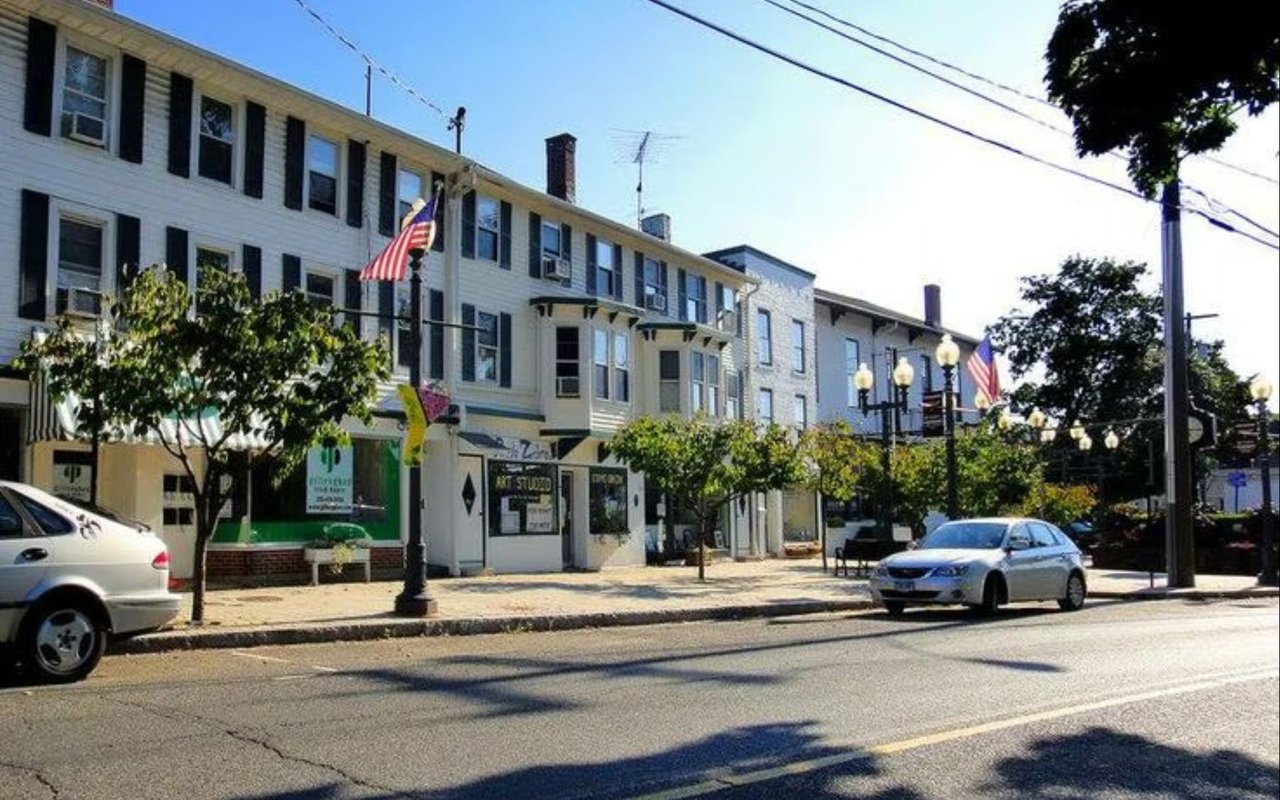
Sandy Hook has evolved into something of its own sub-community over the past several years. The revitalization of Sandy Hook Center has brought riverside dining, local breweries, and a handful of independent retailers that give it an energy somewhat apart from the more traditional Borough. Buyers who want proximity to that scene while still owning meaningful land should focus their search within reasonable distance of the village.
Newtown's built environment spans roughly three centuries of construction, which gives buyers with strong aesthetic preferences a wide range to consider.
The center-hall colonial from the 1960s through the 1990s forms the majority of the housing stock. These homes typically offer 2,500 to 3,500 square feet, two-car garages, and wooded lots of one to two acres in established subdivisions like Taunton and Botsford. They are practical, family-scaled, and widely available.
The historic and antique tier, concentrated near the Borough and along Main Street, represents some of the most architecturally significant residential inventory in Fairfield County. Saltbox, Federal, and Georgian forms with wide-plank floors, multiple working fireplaces, and original millwork appear here. Many of these homes have received thoughtful modern additions — glass-box extensions that bring natural light and open floor plans without compromising the original structure. When executed well, these additions have become a hallmark of Newtown's design sensibility.
North Newtown and Dodgingtown shift the palette toward equestrian and farm-scale architecture. Shingle-style estates with barns and paddocks, and the increasingly popular modern farmhouse — white board-and-batten siding, black casement windows, standing-seam metal roofs — define this area. These homes are built for how people actually live on large lots: with utility, durability, and landscape integration in mind.
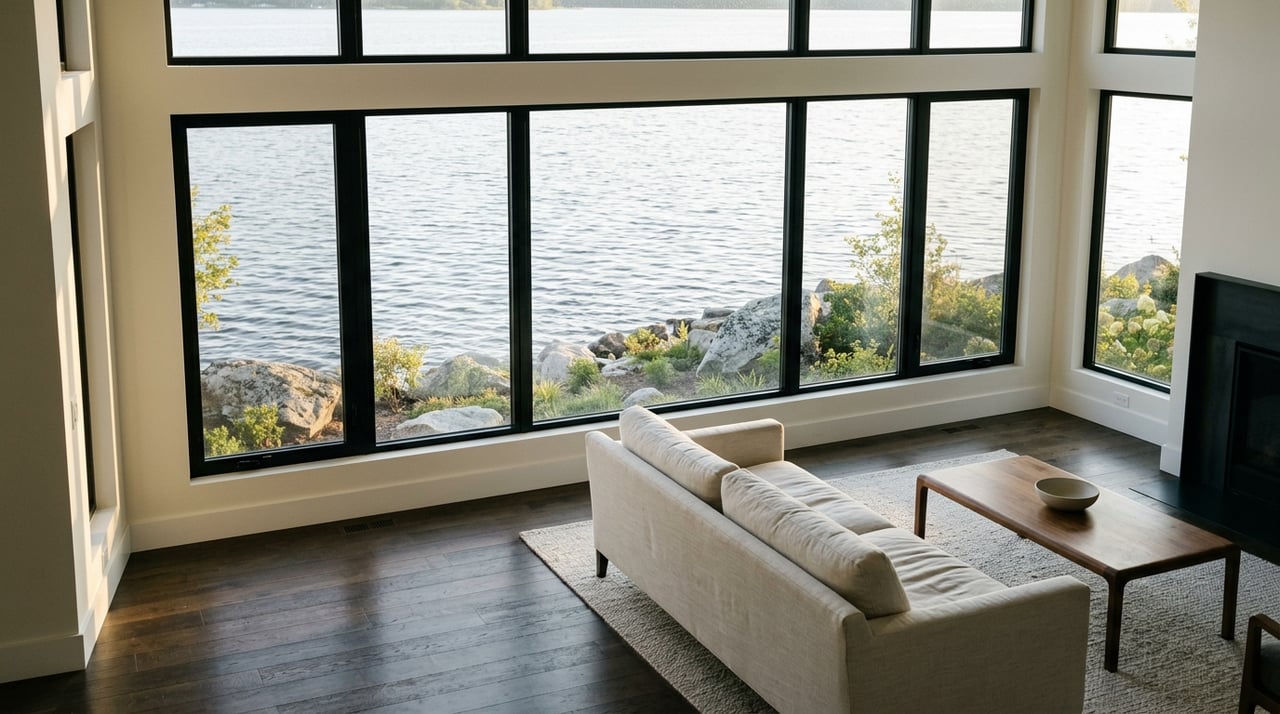
Newer construction throughout the town is leaning heavily into biophilic design principles, with large-scale windows framed toward wooded views, smart cedar siding that ages naturally, and integrated energy systems. These are homes designed to perform as well as they look.
Near Lake Zoar and Lake Lillinonah, the architectural character becomes more eclectic — mid-century modern A-frames, updated 1940s fishing cottages, and contemporary structures built into rocky inclines to capture water views. This is among the most idiosyncratic residential inventory in the region, and it tends to attract buyers who are buying a setting as much as a structure.
Newtown is honest about its commute to New York City: it is not short. The full door-to-door trip to Manhattan runs roughly one hour and forty-five minutes to two hours on a typical weekday.
Most residents drive 15 to 20 minutes west to the Bethel or Danbury stations on the Metro-North Danbury Branch, ride approximately 60 to 70 minutes to South Norwalk, then transfer to the New Haven Line for an express run into Grand Central. The connection at South Norwalk is the friction point; schedules determine how much waiting is involved.
Some Newtown commuters bypass the Danbury Branch entirely and drive 35 minutes south to Bridgeport or Fairfield Metro stations to access the high-frequency New Haven Line express service. This adds driving time but reduces total commute time by approximately 15 minutes and provides more schedule flexibility.
For Stamford and Norwalk, the commute runs 45 to 55 minutes by car via Route 7 or the Merritt Parkway, depending on traffic through Danbury. Bridgeport is a similar drive.
Danbury itself is the most natural employment destination for Newtown residents. The drive is 15 to 20 minutes westbound on I-84, and the "reverse commute" flow means congestion is minimal. The Danbury corridor has grown considerably as an employment hub, and a significant portion of Newtown's working population commutes there daily.
This commute profile makes Newtown most practical for hybrid workers who are not traveling to New York more than two or three days per week, for those employed in the Danbury-Waterbury corridor, or for remote workers who need only occasional access to the metro area.
The Newtown school system is the single most cited reason buyers choose the town, and the data supports the reputation. Newtown Public Schools consistently rank in the top 20% of Connecticut districts, with Niche assigning the district an overall grade of A.
The student-to-teacher ratio sits at 11:1, significantly below the national average and a meaningful indicator of the individualized attention students receive. Approximately 72% of students are proficient in reading and 63% in math at grade level, with a graduation rate of 97%.
Newtown High School is the district's flagship, recognized for its College and Career Pathways program and an extensive catalog of AP and Early College Experience courses. Its athletics program ranks among the top 10 in the state. The four elementary schools — Sandy Hook, Hawley, Head O'Meadow, and Middle Gate — each hold A or A-minus ratings, and the district operates Reed Intermediate School as a dedicated 5th and 6th grade campus that eases the transition between the elementary environment and the larger secondary schools.
One practical note: Newtown assigns students to elementary schools by neighborhood, and the community ties around each building are genuine. Before committing to a property, confirm which elementary school the address is zoned for. The school assignment will shape a meaningful part of your family's social landscape in the early years.
Outdoor recreation is not an amenity in Newtown — it is infrastructure. The Newtown Forest Association maintains more than 1,400 acres of trails accessible to residents, spanning a range of terrain and difficulty. The Upper Paugussett State Forest adds to that inventory with the Lillinonah Trail, which follows the Housatonic River and delivers the kind of views that remind you why people choose this part of Connecticut.
Fairfield Hills Campus, the former state hospital site at the center of town, has been reimagined as a community gathering space with paved walking loops, athletic fields, and a purpose-built bicycle playground that has made it a weekend destination for families.
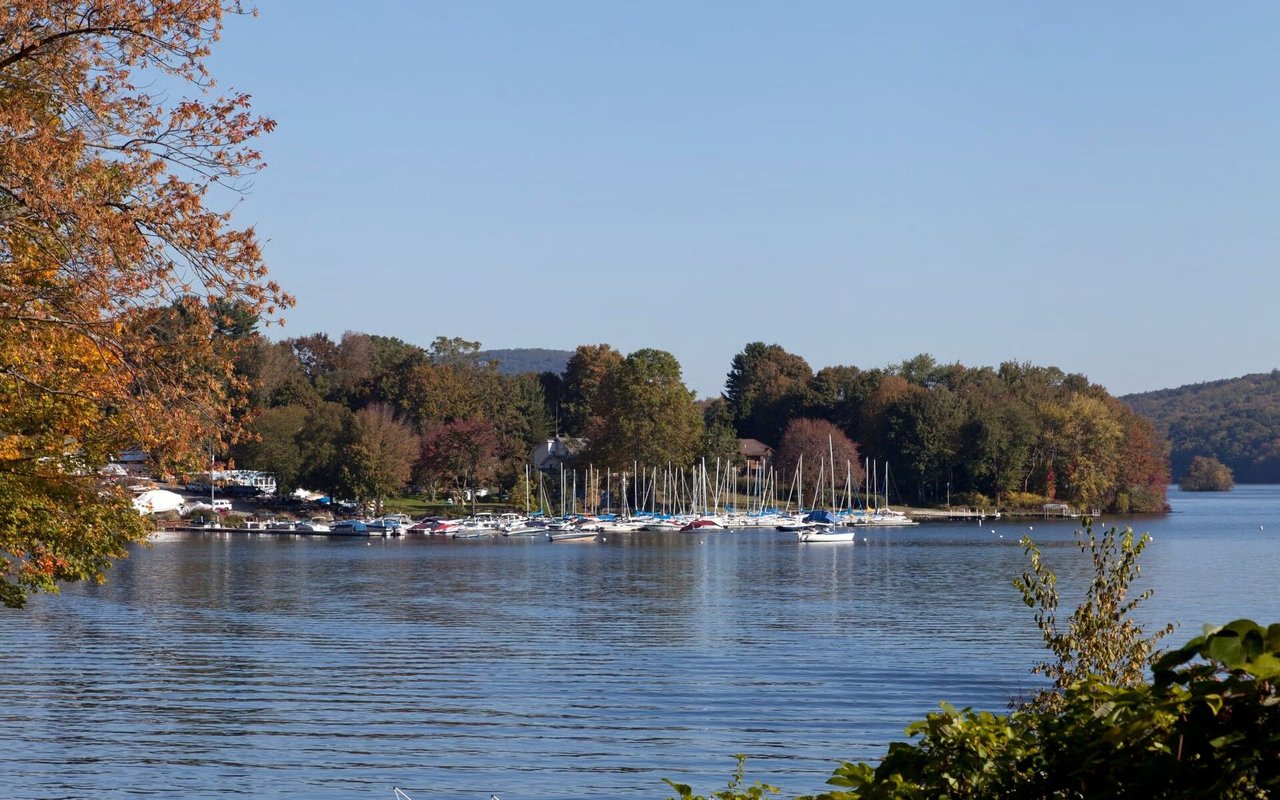
Treadwell Park and Dickinson Park handle the organized side of outdoor life: swim facilities, spray areas, tennis and pickleball courts, and the fields that anchor Newtown's extensive youth athletics programs. Through Eichler's Cove, residents have access to Lake Zoar for boating and kayaking, along with a town beach that functions as a genuine community amenity during summer months.
Newtown's food scene has matured over the past several years into something that reflects the town's character: locally rooted, quality-focused, and not trying to be something it is not.
Sandy Hook Center is where the energy concentrates. Nouveau Monde anchors the wine-bar side of the scene with a sophisticated atmosphere suited to a Friday evening by the water. HillTop Kitchen has built a following with its American cooking that draws on global influences — the kind of neighborhood anchor that becomes part of your weekly rhythm rather than a special-occasion destination. The overall feel in Sandy Hook is relaxed and social, appropriate for the age of the town's most recent wave of younger residents.
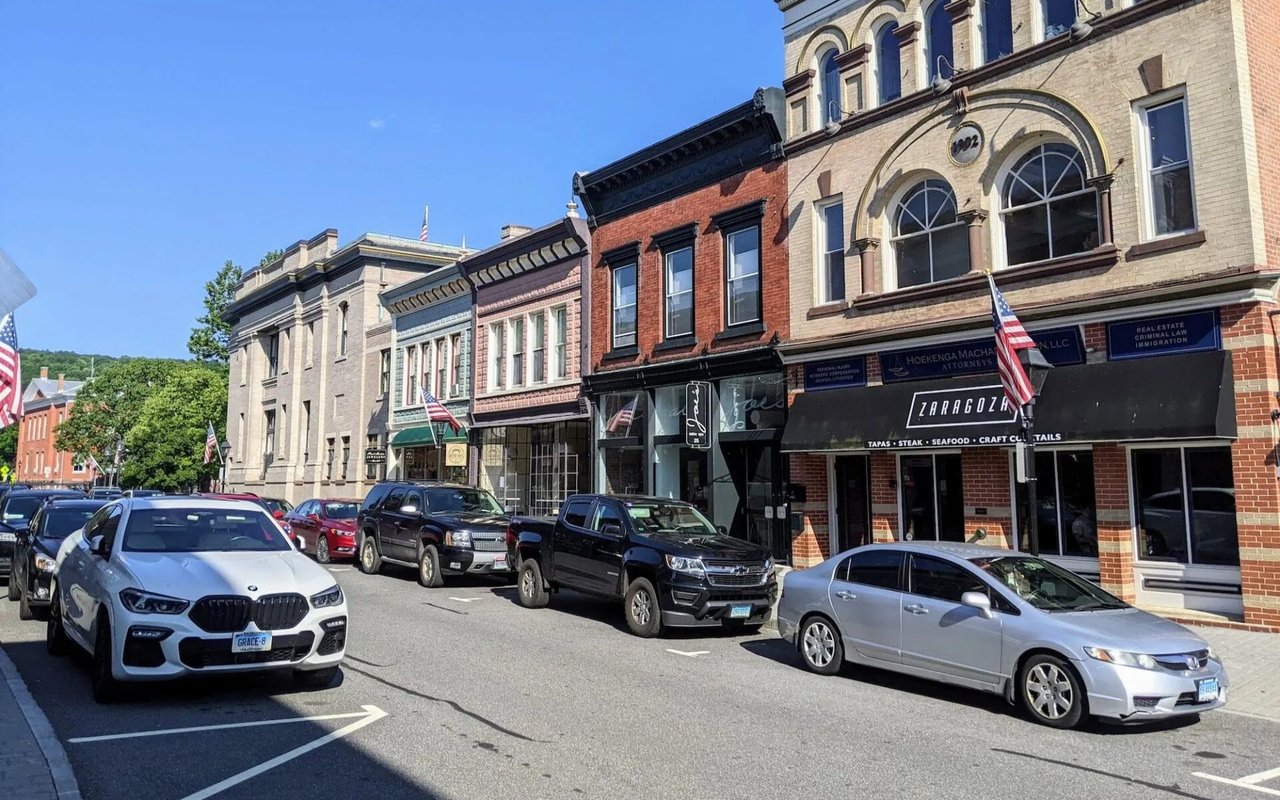
The Borough and Main Street offer a more traditional register, with Sal e Pepe occupying a comfortable position as the established dining destination for a quieter evening out. Cafes along the main corridor have become default working spaces for the town's hybrid workforce.
Aquila's Nest Vineyards, north of town, has earned a regional following as both a winery and an event venue. Its Sunset Social series draws a broad cross-section of Fairfield County residents and provides the kind of evening that is difficult to replicate elsewhere in the area.
Nightlife in Newtown is calibrated to the town's pace: wine bars, local breweries, and vineyard sessions rather than late nights. For buyers who want that scene, it is genuinely good. For buyers expecting the restaurant density of Ridgefield or Westport, the expectation should be set accordingly.
Whether you are searching for your first home in the Sandy Hook neighborhood, upgrading to a colonial on an acre or more, or exploring what Newtown's estate market has to offer, the inventory here rewards patient, well-prepared buyers who know exactly what they are looking for.
Browse current listings to see what is active in the market, and use recent sales as your calibration for what comparable properties are actually trading for in today's conditions.
Around Town Real Estate is a Fairfield County-based team with deep roots in the Newtown market. Their advisors bring firsthand knowledge of the town's neighborhoods, pricing dynamics, school districts, and the practical realities that make buying or selling here different from anywhere else in the region. Whether you are navigating a competitive multiple-offer situation, preparing a historic property for sale, or still deciding between Newtown and its neighbors, the Around Town team has the experience and the local connections to guide you through it.
Reach out directly at aroundtownct.com or contact one of their advisors to start the conversation.
There's plenty to do around Newtown, including shopping, dining, nightlife, parks, and more. Data provided by Walk Score and Yelp.
Explore popular things to do in the area, including Barre Boutique.
Newtown has 5,370 households, with an average household size of 2.81. Data provided by the U.S. Census Bureau. Here’s what the people living in Newtown do for work — and how long it takes them to get there. Data provided by the U.S. Census Bureau. 15,576 people call Newtown home. The population density is 418.57 and the largest age group is Data provided by the U.S. Census Bureau.
Total Population
Population Density Population Density This is the number of people per square mile in a neighborhood.
Median Age
Men vs Women
Population by Age Group
0-9 Years
10-17 Years
18-24 Years
25-64 Years
65-74 Years
75+ Years
Education Level
Total Households
Average Household Size
Average individual Income
Households with Children
With Children:
Without Children:
Marital Status
Blue vs White Collar Workers
Blue Collar:
White Collar:
Your go-to real estate team. We have brought together a team of experts equipped with knowledge and specialized experience to assist you in your buying and selling goals. Contact us today to find out how we can be of assistance to you!