Monroe, Connecticut, is known for its New England charm, preserved colonial architecture, and walkable town center. For buyers drawn to history, character, and timeless craftsmanship, the historic districts of Monroe offer a rare opportunity to own a home with genuine heritage. However, purchasing real estate in historic districts also comes with specific considerations that set these properties apart from traditional home purchases. Local expert Andy Sachs, of Around Town Real Estate, offers vital insight into what buyers should keep in mind when exploring this unique corner of the Monroe market.
The Appeal of Monroe’s Historic Districts
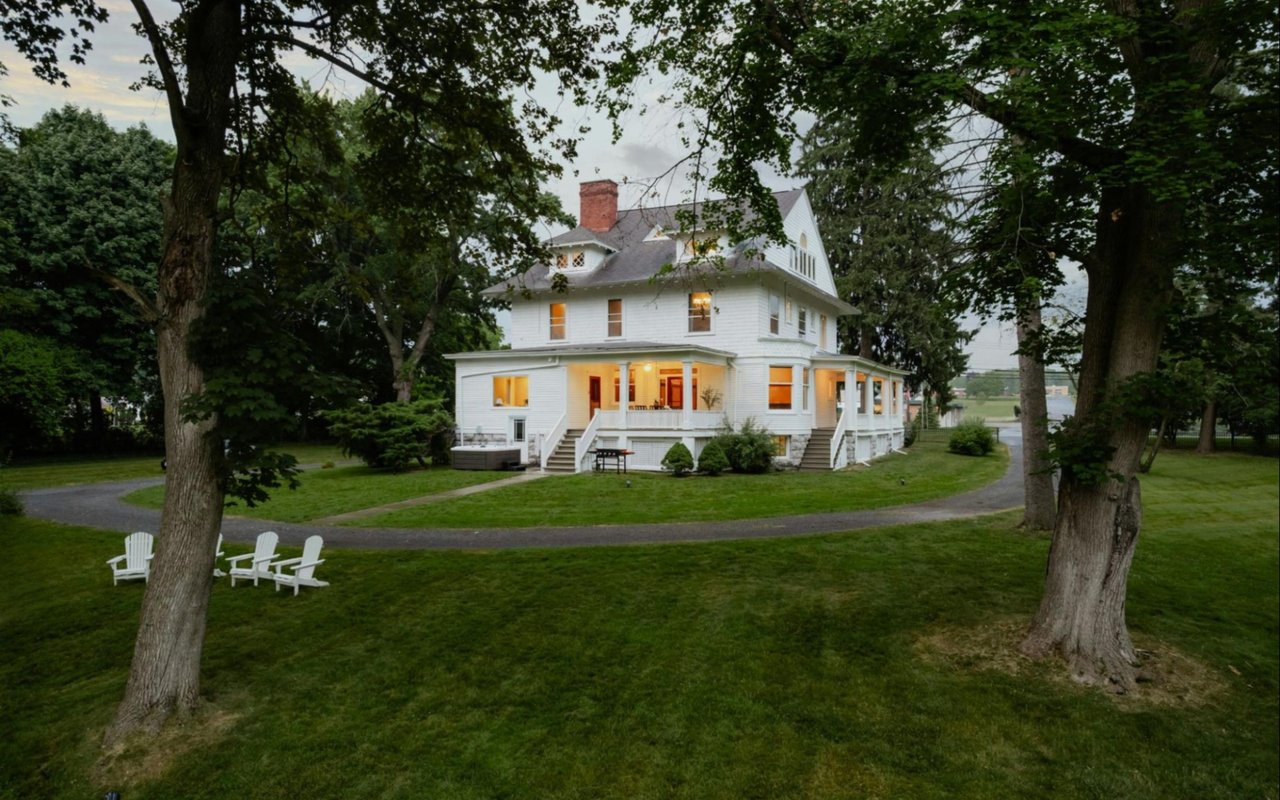
Monroe is home to several areas recognized for their historical significance, such as Stepney Village and the Monroe Center Historic District. These neighborhoods feature well-preserved Colonial, Federal, and early American Revival-style homes—many dating back to the 18th and 19th centuries. Mature trees line the roads, and original stone walls still frame much of the area, creating a picturesque, storybook-like setting.
For buyers with an appreciation for original architectural features—such as wide-plank flooring, antique hardware, hand-hewn beams, and old-world craftsmanship—real estate in historic districts delivers aesthetic and cultural value that’s difficult to replicate.
For buyers with an appreciation for original architectural features—such as wide-plank flooring, antique hardware, hand-hewn beams, and old-world craftsmanship—real estate in historic districts delivers aesthetic and cultural value that’s difficult to replicate.
Understand Local Preservation Regulations
One of the most important aspects of buying in a historic district is understanding the preservation guidelines that govern what changes can be made to a property. In Monroe, these rules are set by the Monroe Historic District Commission, which aims to protect the architectural integrity of buildings within designated historic areas.
If you're considering exterior renovations—such as replacing windows, altering porches, changing roofing materials, or even repainting with modern colors—you'll likely need approval from the commission. These restrictions help maintain the visual continuity of the neighborhood, but they may limit your flexibility as a homeowner.
Before purchasing, buyers should request documentation on past commission approvals, clarify what projects require a permit, and confirm which aspects of the property fall under protection. Working with a knowledgeable agent like Andy Sachs can streamline this process and prevent costly surprises down the road.
If you're considering exterior renovations—such as replacing windows, altering porches, changing roofing materials, or even repainting with modern colors—you'll likely need approval from the commission. These restrictions help maintain the visual continuity of the neighborhood, but they may limit your flexibility as a homeowner.
Before purchasing, buyers should request documentation on past commission approvals, clarify what projects require a permit, and confirm which aspects of the property fall under protection. Working with a knowledgeable agent like Andy Sachs can streamline this process and prevent costly surprises down the road.
Maintenance and Restoration Costs
While historic homes offer undeniable character, they may also come with higher maintenance costs. Outdated plumbing and electrical systems, aging foundations, and the need for historically accurate materials can drive up expenses compared to newer homes.
For example, if a slate roof needs repair or replacement, it may not be possible—or permitted—to substitute modern asphalt shingles. Similarly, original wood windows may need to be restored rather than replaced. Buyers should budget for ongoing restoration work and, when possible, hire contractors who specialize in historic properties.
Inspections are especially critical when purchasing real estate in historic districts. A specialized inspector familiar with older construction methods can identify issues hidden beneath surface-level charm—such as structural damage, poor insulation, or outdated mechanicals.
For example, if a slate roof needs repair or replacement, it may not be possible—or permitted—to substitute modern asphalt shingles. Similarly, original wood windows may need to be restored rather than replaced. Buyers should budget for ongoing restoration work and, when possible, hire contractors who specialize in historic properties.
Inspections are especially critical when purchasing real estate in historic districts. A specialized inspector familiar with older construction methods can identify issues hidden beneath surface-level charm—such as structural damage, poor insulation, or outdated mechanicals.
Financing and Insurance Challenges
Financing a historic home can be slightly more complex than buying a newer property. Some lenders may be hesitant if extensive renovations are needed, especially if those renovations fall under historic preservation oversight. Additionally, insurance premiums may be higher due to the increased cost of restoring damaged or historically significant features.
Buyers should work with mortgage brokers and insurers who have experience with real estate in historic districts, ensuring they fully understand how local regulations and restoration requirements can impact loan approval, underwriting, and policy terms.
Buyers should work with mortgage brokers and insurers who have experience with real estate in historic districts, ensuring they fully understand how local regulations and restoration requirements can impact loan approval, underwriting, and policy terms.
Energy Efficiency and Modern Upgrades
Balancing historic preservation with modern comfort can be challenging. Many older homes were built before the era of energy efficiency, meaning drafty windows, inadequate insulation, and dated heating systems are common.
Still, smart upgrades are possible with the right approach. Reversible and minimally invasive updates—such as interior storm windows, programmable thermostats, and energy-efficient lighting—can improve comfort without compromising the home’s historic integrity.
When done properly and with guidance from local preservation experts, these upgrades not only increase livability but can also enhance long-term value and appeal to future buyers.
Still, smart upgrades are possible with the right approach. Reversible and minimally invasive updates—such as interior storm windows, programmable thermostats, and energy-efficient lighting—can improve comfort without compromising the home’s historic integrity.
When done properly and with guidance from local preservation experts, these upgrades not only increase livability but can also enhance long-term value and appeal to future buyers.
The Long-Term Value of Historic Real Estate
Despite the complexities, real estate in historic districts often holds its value well over time. In Monroe, the demand for homes with distinctive character remains steady, especially among buyers who value authenticity and timeless design. Properties in historic districts tend to appreciate at rates comparable to, or even higher than, those in non-designated areas.
The town’s continued investment in preserving its historical identity—along with community pride in its colonial roots—contributes to the enduring desirability of these homes.
The town’s continued investment in preserving its historical identity—along with community pride in its colonial roots—contributes to the enduring desirability of these homes.
Work With a Local Expert Who Understands Historic Homes
Buying in a historic district is not a typical real estate transaction—it requires a nuanced understanding of local regulations, long-term maintenance considerations, and the market for specialty homes. Working with a seasoned local expert ensures that buyers are fully informed and supported throughout the process.
Andy Sachs brings years of local experience and a deep understanding of Monroe’s unique real estate landscape. His insight into preservation laws, contractor referrals, and neighborhood dynamics makes him a trusted guide for anyone considering real estate in historic districts.
Andy Sachs brings years of local experience and a deep understanding of Monroe’s unique real estate landscape. His insight into preservation laws, contractor referrals, and neighborhood dynamics makes him a trusted guide for anyone considering real estate in historic districts.
Andy Sachs at Around Town Real Estate
For buyers drawn to the charm and craftsmanship of Monroe’s historic neighborhoods—or sellers looking to highlight the timeless appeal of their home—Andy Sachs offers the expertise needed to navigate this rewarding but complex market. With a focus on education, transparency, and strategic guidance, he helps clients find the right fit in Monroe’s most character-rich areas. Contact Andy Sachs at Around Town Real Estate today to explore your next move in Monroe’s historic district real estate market.