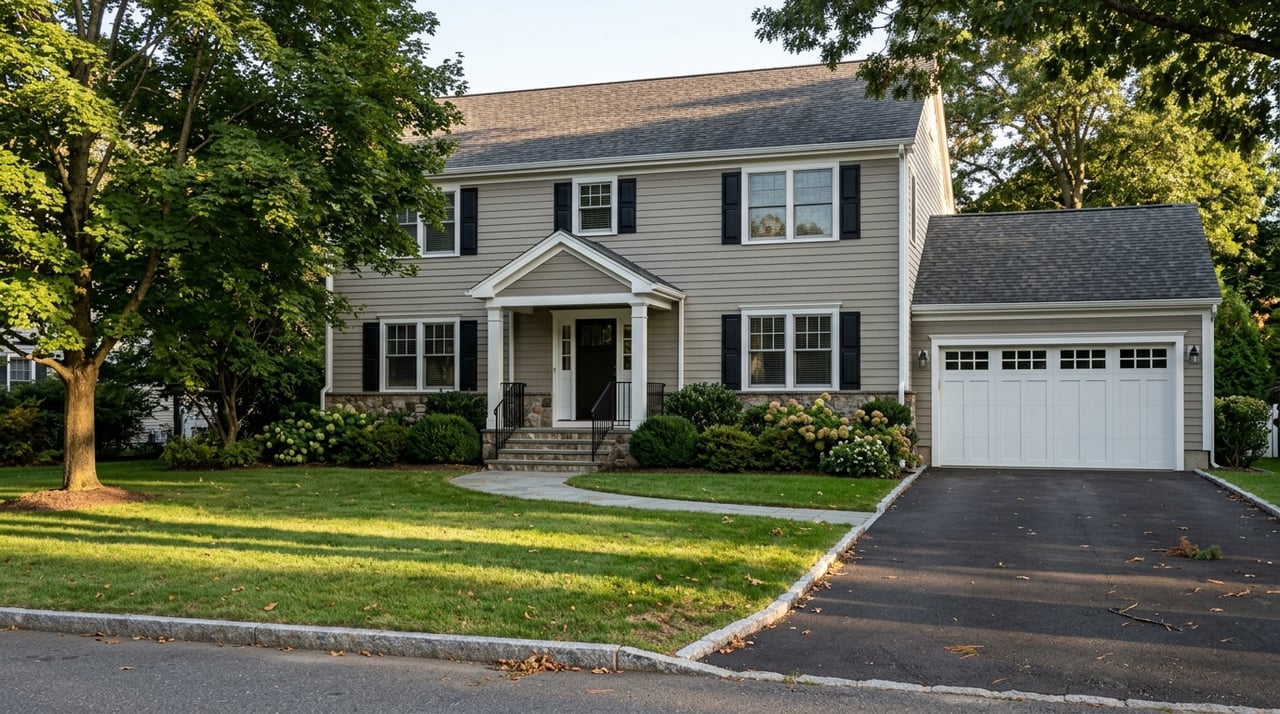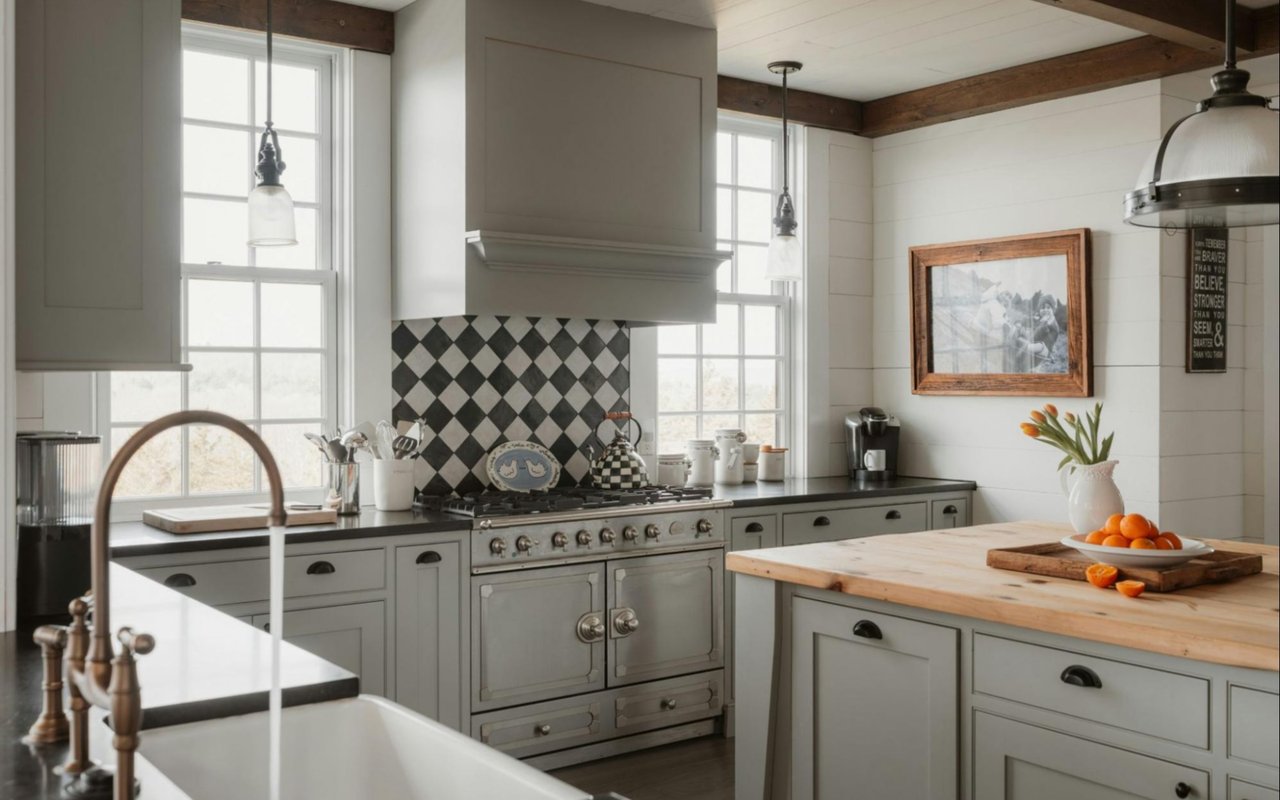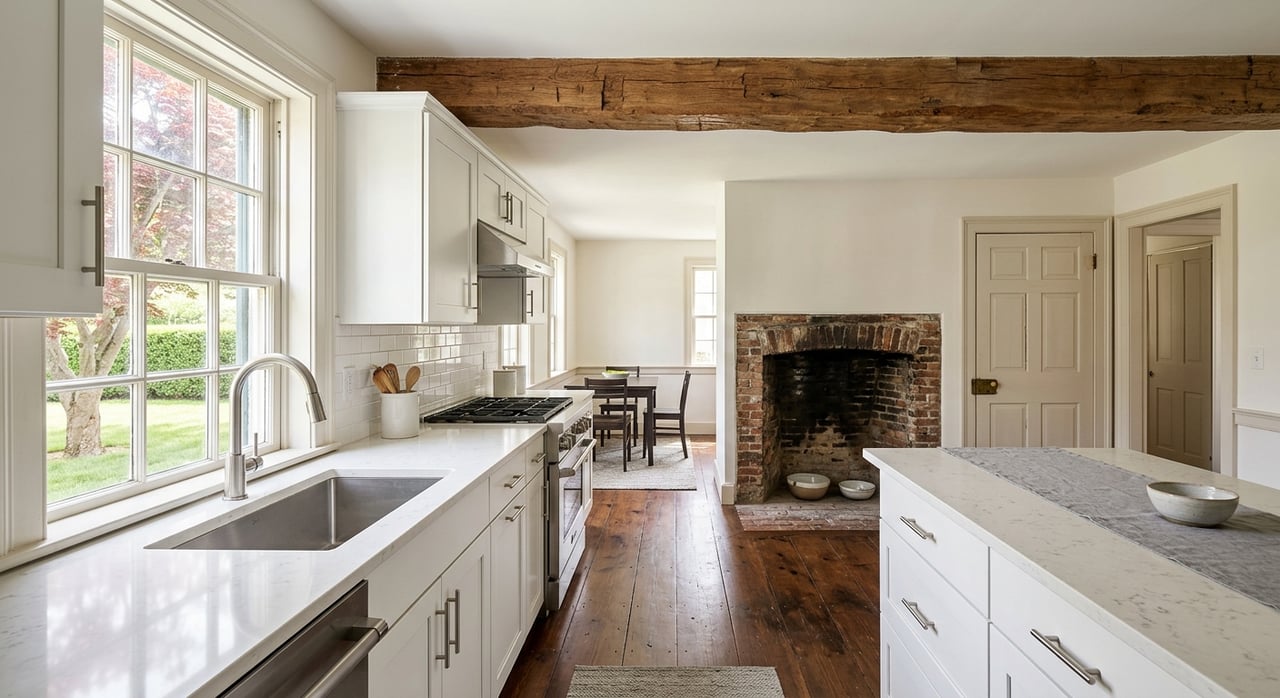
Buying in Ridgefield often comes down to one big question: do you want the charm of an older home or the ease of something newly built? It is a personal decision, and in a town with an established housing stock, the answer is rarely as simple as “old” versus “new.” If you are weighing both options, this guide will help you understand the tradeoffs, the local rules, and the questions worth asking before you move forward. Let’s dive in.
Ridgefield Is Mostly Established Housing
Ridgefield is a mature, largely owner-occupied market. Census QuickFacts show an 83.5% owner-occupied housing unit rate, a median owner-occupied value of $836,200, and 91.2% of residents living in the same house one year ago.
The town’s 2020 Plan of Conservation and Development adds important context. It says Ridgefield’s housing stock is about 80% single-family detached, and housing growth has slowed significantly over time, from roughly 235 units per year in the 1960s to about 55 or fewer units per year after 2000.
For you as a buyer, that usually means existing homes make up most of what you will tour. New construction exists, but it is generally a smaller share of the market than in faster-growth towns.
What Historic Homes Offer
Historic homes in Ridgefield often appeal to buyers who want original details, established streetscapes, and a sense of place that can be hard to recreate. Depending on the property, that may mean period millwork, older facades, or a setting shaped by the town’s long development history.
That character is a real advantage for many buyers. If you love homes that feel distinctive rather than standardized, Ridgefield’s older housing stock may offer more variety and architectural personality.
Still, charm comes with responsibility. In Ridgefield, some historic properties fall under local oversight that can affect what you can change on the outside of the home.
Historic District Rules Matter
Ridgefield has a formal preservation framework. The town states that its Historic District Commission, or HDC, is governed by Connecticut statutes and local ordinance, and that Ridgefield has two historic districts subject to statutory oversight and compliance.
The town’s design guidelines also note that four historic districts and ten properties or sites are listed on the National Register of Historic Places. That distinction matters because National Register status is not, by itself, regulatory in the same way a local historic district is.
If a home is in a local historic district, exterior work may be reviewed differently than a standard remodel. That can affect your planning, timeline, and renovation budget.
What Usually Needs Review
According to Ridgefield’s design guidelines, proposed changes affecting exterior components or other character-defining features require HDC review and a Certificate of Appropriateness. By contrast, interior alterations, paint color, and landscape planting are generally outside the HDC’s purview.
The guidelines also note that work on a non-visible façade may sometimes allow more flexibility. Even so, it is smart to confirm the exact requirements before you assume a project will be simple.
For you, the practical takeaway is clear: if you are buying a historic home because you want to customize it, make sure you understand what is possible before closing. A beautiful old house can be a great fit, but visible exterior changes may require more diligence.
What New Construction Offers
New construction usually attracts buyers who want fewer immediate repair decisions, more recent systems, and a home built to current standards. In a market like Ridgefield, that can feel especially appealing when many other available homes were built in earlier decades.
A newer home may also offer a simpler first few years of ownership. While no house is maintenance-free, newer components often reduce the chance that you will be dealing with major updates right away.
That said, new construction is not a free-for-all in Ridgefield. The process still goes through local review, zoning compliance, inspections, and final approvals.
New Homes Still Face Local Review
Ridgefield’s Building Department says it reviews plans, issues permits, performs inspections during construction and at completion, and issues certificates of approval or occupancy. The Planning and Zoning Department states that any building permit application must first be reviewed and approved by the Zoning Enforcement Officer for zoning compliance.
That means a newly built home should not be viewed as a blank slate with no process behind it. It is tied to approvals, inspections, and local standards that matter for both safety and compliance.
For buyers, this is helpful information to verify. You will want to confirm that required inspections were completed and that final occupancy documentation is in place.
Newer Energy Standards Can Be a Plus
Connecticut’s 2022 State Building Code incorporates the 2021 International Energy Conservation Code residential provisions. The code states that residential buildings must meet the IECC residential provisions.
In practical terms, that means newer homes generally begin with a stronger energy-code baseline than many older Ridgefield homes that predate those standards. That does not guarantee lower utility costs in every case, but it does give new construction a meaningful starting point when you are comparing insulation, air sealing, and overall efficiency.
If energy performance is important to you, this is one of the clearest advantages of buying new. It is worth asking exactly what insulation and air-sealing package was used during construction.
Design Review May Still Apply
Some new construction in Ridgefield is also shaped by design review. The town’s zoning regulations say that in the NB Zone, all site plans and architecture for new construction are reviewed by the Architectural Advisory Committee.
Those regulations call for projects to enhance streetscape character and use New England Classical or New England Village materials and details. More broadly, the regulations also route some applications through village-district style review.
So even with a newly built home, location matters. Depending on the lot and zone, design expectations may influence what gets approved and how the finished property fits its surroundings.
Comparing Historic and New Construction
If you are deciding between the two, it helps to think beyond style alone. Your daily lifestyle, renovation tolerance, and long-term plans should guide the choice.
Here is a simple side-by-side view:
| Factor | Historic Home | New Construction |
|---|---|---|
| Character | Often more period detail and architectural personality | Typically more modern layout and finishes |
| Renovation flexibility | Exterior changes may require HDC review in local historic districts | Changes still subject to zoning, permits, and local rules |
| Energy baseline | May vary widely depending on updates | Built to current code baseline |
| Early maintenance | Older systems may need closer review | Often fewer immediate repair decisions |
| Inventory in Ridgefield | More common in an established market | Usually a smaller share of available homes |
Neither path is automatically better. The right fit depends on whether you value originality and setting more, or predictability and newer systems more.
Smart Questions to Ask About Historic Homes
When you tour an older or historic home, focus on what is original, what has been replaced, and what may require approval later. Ridgefield’s local rules make those details especially important.
Ask questions like:
- Is the property in a local historic district?
- Is it in a National Register district, and if so, does that affect anything practical for this property?
- Would planned exterior work require HDC review or a Certificate of Appropriateness?
- Were prior additions, window changes, roof work, or porch repairs reviewed and approved?
- Is there permit history available for major updates?
These questions can help you avoid surprises. They also give you a better sense of whether the home fits your renovation goals.
Smart Questions to Ask About Older Homes
Even if a home is not in a local historic district, older homes deserve extra diligence. Connecticut’s weatherization program highlights common upgrade areas such as heating-system tune-ups and repairs, blower-door-guided air sealing, attic and sidewall insulation, and health-and-safety inspections.
That makes a practical checklist for buyers. Ask about:
- Roof age
- Foundation and drainage
- Insulation levels
- Air sealing improvements
- HVAC age and condition
- Plumbing and electrical updates
- Any weatherization work already completed
These basics matter because older homes can vary widely. Two homes built in the same era may perform very differently depending on how they have been maintained and updated.
Smart Questions to Ask About New Construction
With new construction, your diligence shifts from age-related wear to build details and completion status. A newer home can look turnkey while still having important paperwork or technical details you need to confirm.
Ask questions like:
- Which code edition was the home built to?
- What insulation and air-sealing package was used?
- Have final inspections been completed?
- Is the certificate of approval or occupancy complete?
- Is the property in the NB Zone or another area with design review considerations?
These questions help you understand not just what is visible, but also how the home was built and approved. That can matter for both peace of mind and future resale.
Which Choice Fits You Best?
A historic Ridgefield home may be the right choice if you care most about architectural character, older neighborhood fabric, and a home that feels one-of-a-kind. You may be comfortable taking on more research and potentially more planning before making visible exterior changes.
A new construction home may be the better fit if you want a more current energy-code baseline, newer systems, and fewer immediate repair decisions. You may also prefer a more turnkey ownership experience, even if the price reflects current land, code, and building costs.
In Ridgefield, both options can be compelling. The key is not choosing the “best” home type in the abstract. It is choosing the one that matches how you want to live, maintain, and improve your home over time.
If you are comparing historic homes and new construction in Ridgefield, working with a local team can help you ask the right questions early and avoid costly assumptions. Around Town Real Estate offers the kind of local guidance, hands-on support, and trusted vendor insight that can make your search feel much more clear and manageable.
FAQs
What makes Ridgefield different for historic homes?
- Ridgefield has a formal preservation framework, and homes in local historic districts may require Historic District Commission review and a Certificate of Appropriateness for certain exterior changes.
Are National Register properties in Ridgefield regulated the same way?
- No. Ridgefield’s design guidelines note that National Register designation is not, by itself, regulatory in the same way a local historic district is.
What should you ask before buying an older Ridgefield home?
- Ask about permit history, roof age, foundation and drainage, insulation, air sealing, HVAC, plumbing, electrical, and any prior weatherization or exterior work.
What should you confirm before buying new construction in Ridgefield?
- Confirm zoning compliance, permit and inspection status, the code edition used, the insulation and air-sealing package, and whether the certificate of approval or occupancy is complete.
Is new construction common in Ridgefield?
- Ridgefield is a mature market with slower housing growth and a housing stock that is largely single-family detached, so existing homes generally make up a larger share of what buyers will see.
How do you choose between a historic home and new construction in Ridgefield?
- Start with your priorities: character and setting versus newer systems and a more current code baseline, then evaluate the specific property’s condition, approvals, and future flexibility.